Hidden Climate Warning Signs! Environmental Changes That Could Shape Our Future
Across the globe, subtle environmental changes are beginning to reveal powerful warnings about the future of our planet.
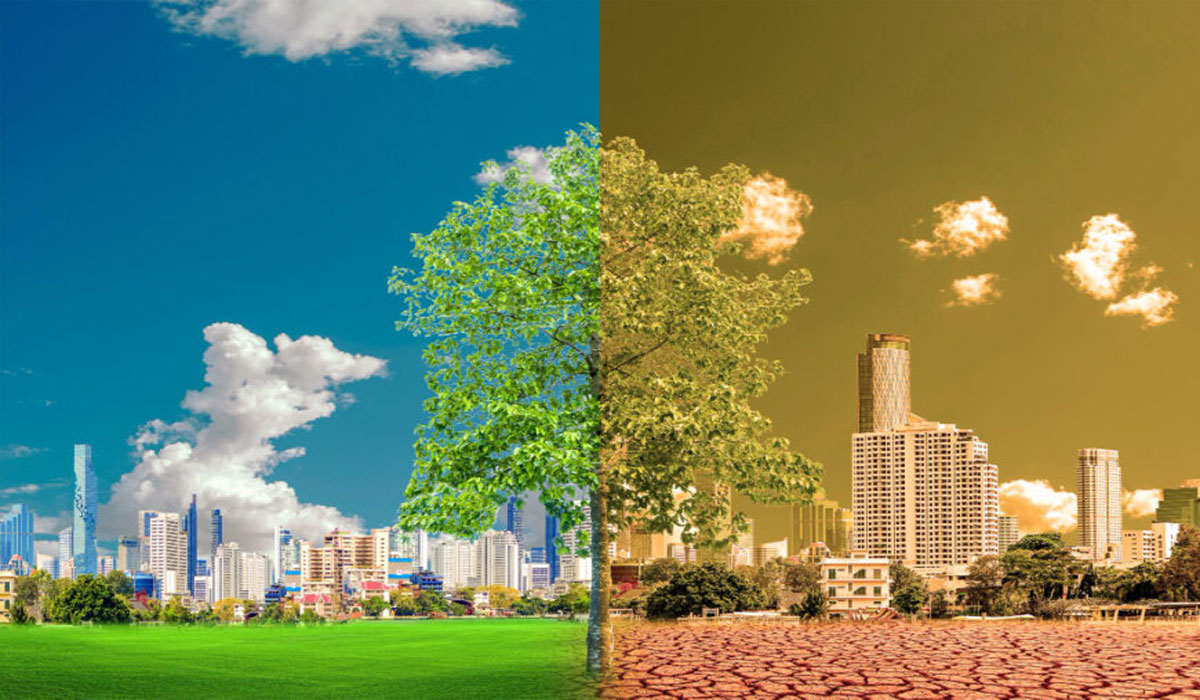
These signals often appear quietly through shifting weather patterns, changing ecosystems, and rising temperatures. Scientists and environmental experts are paying close attention because these signs may determine how humanity adapts to a rapidly transforming Earth. Watch and keep following the latest and most viral information only on Seeds of a Living Planet.
Rising Global Temperatures and Shifting Climate Patterns
One of the most widely discussed warning signs is the steady rise in global temperatures. Research in Climate Change shows that average temperatures on Earth have increased significantly over the past century. This warming trend is closely linked to the increase of greenhouse gases produced by human activities such as burning fossil fuels and large scale industrial development.
The effects of rising temperatures can be seen in extreme weather events that are becoming more frequent and intense. Heatwaves, prolonged droughts, and powerful storms are affecting communities across many continents. These events are not isolated incidents but part of a larger shift in global climate patterns.
Scientists working with organizations such as Intergovernmental Panel on Climate Change continue to monitor these changes closely. Their research provides critical data that helps governments and policymakers understand the risks and prepare strategies to protect both people and ecosystems.
Melting Ice and Rising Sea Levels
Another major warning sign comes from the rapid melting of ice in polar regions. The Arctic and Antarctic areas have experienced significant ice loss in recent decades. This melting is directly connected to rising temperatures and has serious consequences for the planet.
In particular, the melting of glaciers and polar ice sheets contributes to rising sea levels. Coastal cities around the world face increasing risks of flooding and erosion. Large urban centers such as Jakarta have already begun exploring relocation plans and coastal protection systems to address these challenges.
The shrinking of ice also affects global climate systems. Ice normally reflects sunlight back into space. When ice disappears, darker ocean surfaces absorb more heat, which accelerates warming and creates a cycle that further intensifies climate change.
Also Read: This Mudik Could Be The Cleanest Ever, Minister Launches Trash Sorting Drive
Changing Ecosystems and Biodiversity Loss
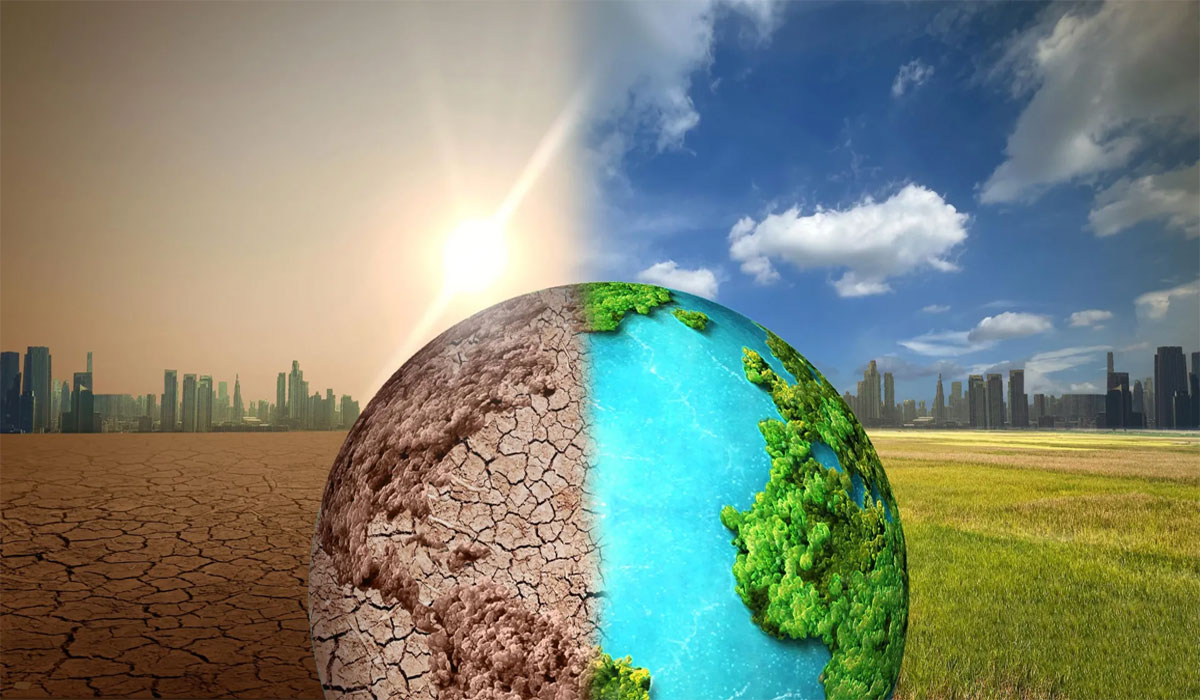
Environmental warning signs are also visible in ecosystems and wildlife populations. Many species are struggling to adapt to changing temperatures and shifting habitats. This has led to noticeable declines in biodiversity in several regions of the world.
One example is the damage being observed in coral reef systems. Areas such as Great Barrier Reef have experienced repeated coral bleaching events due to rising ocean temperatures. When water becomes too warm, corals lose the algae that provide them with nutrients and color, causing them to weaken or die.
Changes in migration patterns among birds, marine life, and insects are also being reported. These shifts indicate that ecosystems are adjusting to environmental stress, often with unpredictable consequences for food chains and natural balance.
Global Efforts to Protect the Planet
Despite these challenges, there are growing efforts worldwide to address environmental threats and reduce the impact of climate change. Governments, organizations, and communities are increasingly working together to develop sustainable solutions.
International agreements such as the Paris Agreement aim to limit global temperature increases and encourage countries to reduce greenhouse gas emissions. These initiatives represent one of the largest cooperative efforts in modern environmental policy.
Many cities and industries are also investing in renewable energy, green infrastructure, and conservation projects. These steps are designed to create a more sustainable future while reducing the environmental pressures that contribute to climate change.
Conclusion
The warning signs appearing across our planet highlight the urgent need to understand and address environmental change. Rising temperatures, melting ice, and shifting ecosystems all point to a world that is evolving at an unprecedented pace.
Scientific organizations such as the Intergovernmental Panel on Climate Change continue to provide valuable research that helps guide global responses to these challenges. While the situation is complex, international cooperation, innovative technology, and stronger environmental awareness offer hope that humanity can protect the Earth and build a more sustainable future for generations to come.
Image Source:
- First Image from kompas.com
- Second Image from indonesiana.id