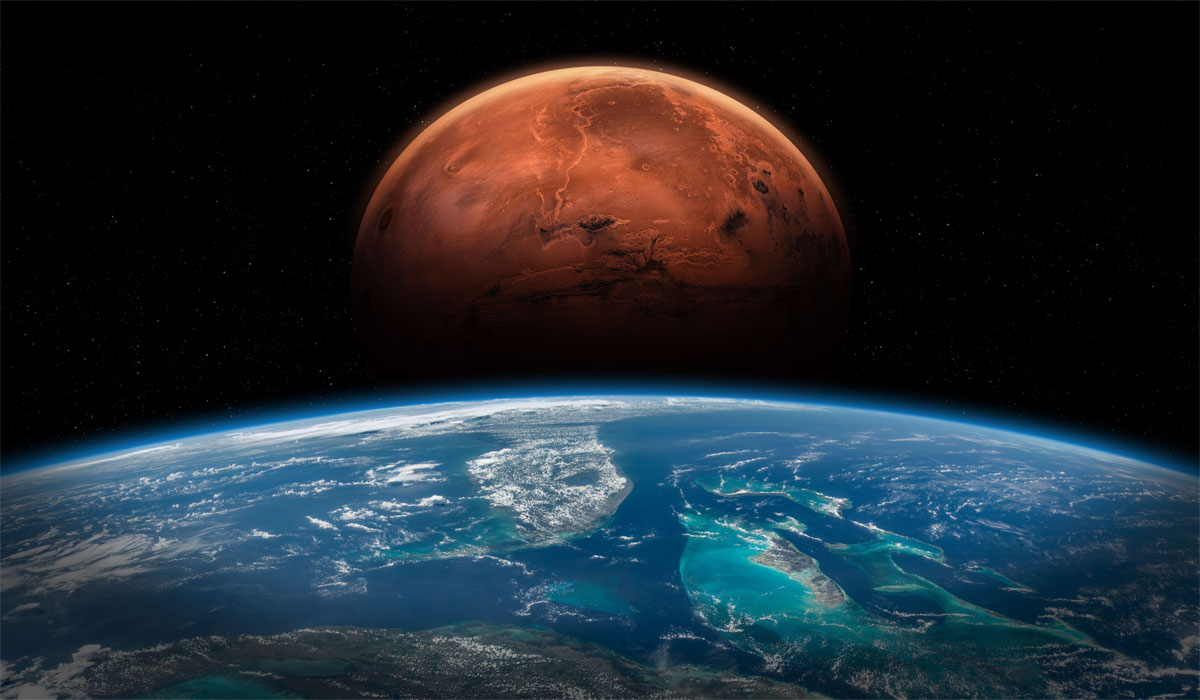
Exploring Earth Science And The Balance Of Ecology
Earth is a living system where science and nature work together in a delicate balance that shapes every ecosystem on the planet.
This interconnected system operates through countless natural processes such as climate regulation, nutrient cycling, and energy flow, all of which ensure that life remains sustainable across diverse habitats. When even a single element within this balance is disrupted, it can create ripple effects that impact entire ecosystems, demonstrating how deeply interconnected and fragile our planet truly is. Read more only at Seeds of a Living Planet.
Exploring Earth Science And The Balance of Ecology
Earth science is the study of how our planet functions as an interconnected system, including its atmosphere, oceans, landforms, and living organisms. It helps us understand how natural processes such as weather patterns, volcanic activity, and ocean circulation influence life on Earth. Without this scientific understanding, it would be difficult to grasp how fragile and complex our environment truly is.
Ecology complements earth science by focusing on how living organisms interact with each other and their surroundings. Every plant, animal, and microorganism plays a role in maintaining balance within ecosystems. When one part of this system changes, it can create a chain reaction that affects everything else.
Together, earth science and ecology provide a complete picture of how life on Earth is sustained. They reveal that nature is not made up of isolated parts but rather a connected web where every element depends on another.
The Dynamic Systems That Shape Our Planet
One of the most fascinating aspects of Earth science is the study of dynamic systems that constantly reshape the planet. Plate tectonics, for example, explains how continents move over time, creating mountains, earthquakes, and ocean basins. These slow but powerful processes shape the physical foundation of ecosystems.
The water cycle is another essential system that sustains life by continuously moving water between oceans, atmosphere, and land. Through evaporation, condensation, and precipitation, water is recycled across the planet, supporting all living organisms. Without this cycle, ecosystems would collapse.
Atmospheric systems also play a crucial role in regulating temperature and climate. Wind patterns, greenhouse gases, and solar energy interactions determine weather conditions across the globe. These systems are constantly changing, making Earth a highly dynamic and evolving planet.
Also Read: Young People’s Hidden Strategies That Could Transform The Future
Ecology And The Interconnected Web Of Life
Ecology reveals how every living organism is part of a complex and interconnected web. Producers like plants convert sunlight into energy, which supports herbivores and then carnivores in a continuous flow of energy. This food chain structure ensures that ecosystems remain balanced and functional.
Biodiversity is a key component of ecological stability, as it increases resilience against environmental changes. When ecosystems contain a wide variety of species, they are better able to recover from disturbances such as climate shifts or natural disasters. This diversity strengthens the entire ecological network.
Human activity has become one of the most influential factors affecting ecological balance. Deforestation, pollution, and climate change disrupt natural systems and threaten biodiversity. Understanding these impacts is essential for developing sustainable solutions that protect the environment.
Human Interaction With Earth Systems
Humans are deeply connected to Earth systems, relying on natural resources for food, water, energy, and shelter. However, rapid industrialization has significantly increased pressure on these systems, leading to environmental degradation in many regions. This has made sustainability a critical global concern.
Technological advancement has also provided tools to study and protect the environment more effectively. Satellite imaging, climate modeling, and environmental monitoring allow scientists to track changes in real time. These innovations help improve our understanding of Earth’s complex systems.
At the same time, education plays a key role in shaping how societies interact with the planet. By learning about earth science and ecology, individuals can make informed decisions that support environmental conservation. This awareness is essential for building a more balanced future.
Image Source:
- First Image from wolipop.detik.com
- Second Image from nyatamedia.com