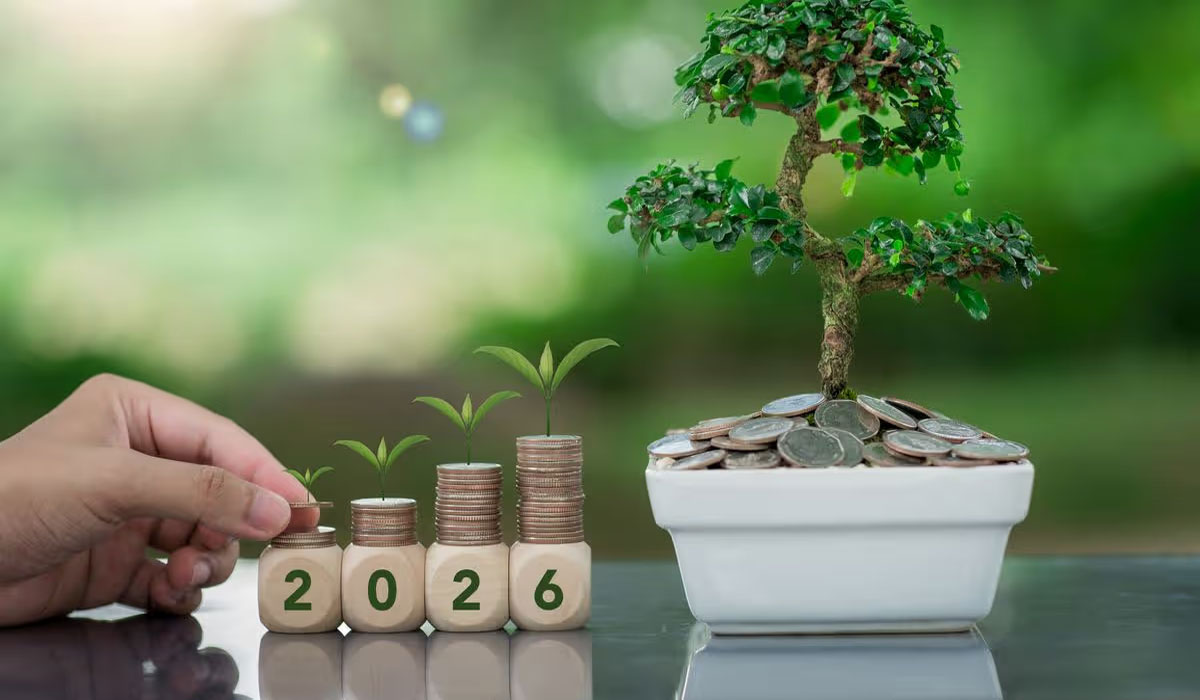
From Ordinary to Eco-Extraordinary: The Surprising Truth About Green Living
Green living is no longer just a trend it’s a transformative lifestyle choice that impacts not only your personal health but also the future of the planet.
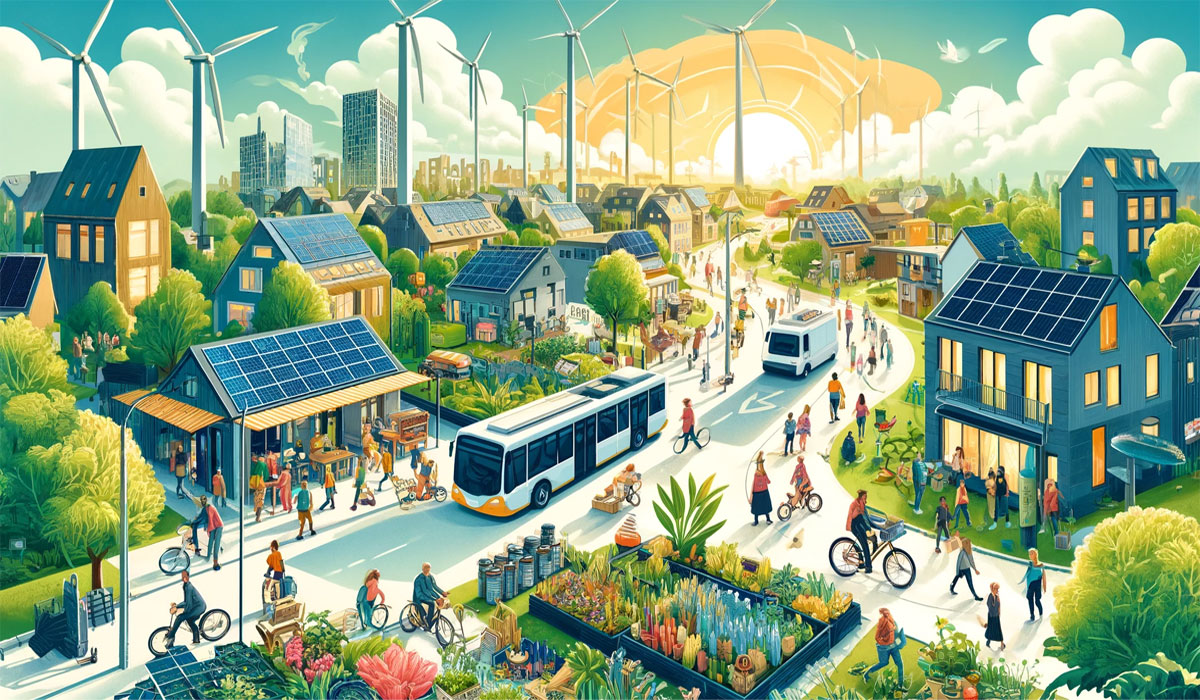
Small, conscious changes in daily habits can create massive effects, both environmentally and personally. Embracing eco-friendly practices allows individuals to reduce their carbon footprint, save money, and inspire others to rethink the way they live. Watch and keep following the latest and most viral information only on Seeds of a Living Planet.
Transforming Daily Habits
The foundation of green living starts with small, intentional changes in everyday routines. Simple acts like reducing water usage, turning off unused electronics, and choosing reusable products can drastically lower waste and energy consumption. These habits not only conserve resources but also instill a sense of responsibility and mindfulness in daily life.
Sustainable consumption extends to shopping choices. Opting for eco-friendly products, supporting local businesses, and avoiding single-use plastics contribute to a cleaner environment. Consumers who prioritize products with minimal packaging or biodegradable materials actively reduce pollution while encouraging manufacturers to adopt greener practices.
Even seemingly minor decisions, like using energy-efficient lighting or composting kitchen waste, accumulate over time. When combined, these daily habits create a lifestyle that not only benefits the environment but also cultivates awareness and intentional living.
Eco-Friendly Homes and Workspaces
Green living is amplified through conscious design and energy choices at home and work. Solar panels, energy-efficient appliances, and smart thermostats help reduce reliance on fossil fuels while lowering utility costs. Homes and offices designed with sustainability in mind not only conserve energy but also create healthier living spaces.
Indoor air quality is another critical consideration. Incorporating plants, proper ventilation, and non-toxic materials improves health and reduces exposure to harmful chemicals. These changes contribute to a more comfortable and sustainable environment while reflecting a commitment to eco-conscious living.
Water conservation is also essential. Installing low-flow fixtures, harvesting rainwater, and reusing greywater for irrigation are simple yet powerful ways to minimize water waste. Green living in homes and workplaces demonstrates how everyday infrastructure can align with environmental responsibility.
Also Read: Renewable Energy Breakthroughs That Everyone Will Be Talking About
Sustainable Transportation and Travel

Transportation is a significant contributor to carbon emissions, making eco-friendly choices essential for green living. Walking, cycling, and using public transportation not only reduce emissions but also improve personal health through physical activity. These habits promote a cleaner environment while encouraging a more active lifestyle.
For longer journeys, electric or hybrid vehicles provide a greener alternative to traditional cars. Carpooling, ride-sharing, and planning trips efficiently further reduce environmental impact. Even small adjustments, like combining errands into a single trip, can significantly decrease fuel consumption and pollution.
Travel choices also matter. Choosing eco-conscious accommodations, supporting sustainable tourism, and respecting natural habitats allow individuals to explore the world responsibly. Green travel emphasizes mindfulness and reduces the negative effects of tourism while enhancing experiences with authentic cultural and environmental engagement.
Food, Consumption, and Waste Management
Diet plays a pivotal role in green living. Consuming locally sourced, organic, and plant-based foods reduces carbon emissions associated with production and transportation. Seasonal eating not only supports local farmers but also aligns with natural ecosystems, promoting sustainability.
Waste management is equally critical. Proper recycling, composting, and minimizing single-use products prevent landfill accumulation and pollution. Repurposing items, donating unwanted goods, and practicing mindful consumption reduce environmental stress while fostering a circular economy.
Conscious purchasing decisions extend beyond food. Choosing durable, high-quality products over disposable alternatives minimizes waste and promotes sustainability. Every item bought or reused represents a deliberate step toward a more eco-friendly lifestyle, demonstrating how individual choices accumulate into meaningful environmental impact.
Conclusion
Green living is a journey from ordinary routines to extraordinary impact. By transforming daily habits, creating eco-friendly homes and workspaces, choosing sustainable transportation, and managing food and waste consciously, individuals can significantly reduce their environmental footprint.
Beyond ecological benefits, this lifestyle cultivates mindfulness, personal health, and community awareness. From ordinary to eco-extraordinary, adopting green living is not merely a choice it is a transformative approach that empowers people to live responsibly, inspire others, and create a sustainable future for generations to come.
Image Source:
- First Image from kompas.com
- Second Image from indonesiana.id