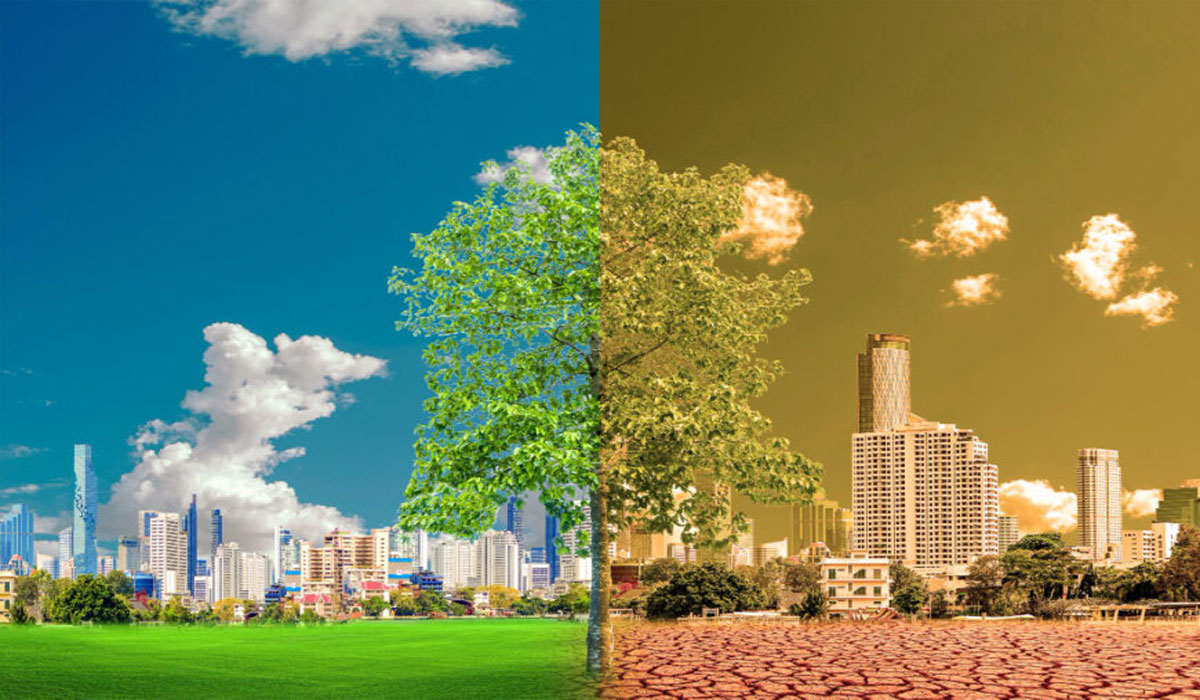
Disturbing Revelations! Climate Dangers You Didn’t Know Existed!
Uncover hidden climate dangers that could impact your health, safety, and future, The truth about climate risks revealed!
Climate change is often discussed in broad terms, but many hidden dangers remain unknown to the public. From extreme weather events to subtle environmental shifts, these risks can affect daily life, health, and safety. This article exposes disturbing revelations about climate hazards that you didn’t know existed, highlighting why awareness and preparation are more crucial than ever. See and follow the complete information only at Seeds of a Living Planet.
Unseen Risks Of Climate Change
Climate change is more than rising temperatures; it hides threats that often go unnoticed. Subtle environmental shifts, extreme weather events, and long-term ecological impacts can affect health, safety, and livelihoods. Understanding these hidden dangers is essential for preparing for the future and minimizing the impact on daily life. Awareness is the first line of defense.
Rising global temperatures influence weather patterns in unexpected ways. Heatwaves, droughts, and erratic rainfall create conditions that threaten agriculture, water supplies, and infrastructure. Many regions are unprepared for these sudden shifts, increasing the vulnerability of communities.
Sea level rise is another hidden risk. Coastal erosion and flooding are worsening silently, impacting homes, businesses, and ecosystems. These changes often develop gradually, giving people little time to adapt. Even urban areas face climate hazards. Heat islands, poor drainage, and pollution exacerbate risks, creating environments where health problems, infrastructure failures, and property damage become more likely.
Extreme Weather Events
Extreme weather events are intensifying due to climate changes. Storms, hurricanes, and floods are becoming more frequent and destructive. Preparedness is critical to reduce losses and injuries. Sudden floods and flash storms can catch communities off guard. Infrastructure damage, power outages, and transportation disruptions are common consequences of inadequate planning.
High winds and tornadoes also present hidden dangers. Buildings, vehicles, and outdoor spaces may not withstand unexpected forces, putting people at serious risk. Extreme weather affects ecosystems as well. Disrupted habitats, soil erosion, and water contamination have cascading effects on human health and food security.
Health Implications
Climate changes directly impact public health in many ways. Heat stress, respiratory issues, and vector-borne diseases are on the rise in affected regions. Rising temperatures encourage the spread of mosquitoes, ticks, and other disease-carrying insects. Diseases once confined to tropical regions are appearing in new areas.
Air quality deteriorates due to pollution and allergens amplified by climate shifts. Vulnerable populations, such as children and the elderly, face higher risks of illness. Mental health is also affected. Extreme weather events, displacement, and uncertainty about the future contribute to stress, anxiety, and trauma among affected communities.
Hidden Environmental Threats
Climate change causes hidden environmental hazards, such as shifting ecosystems and biodiversity loss. Species migration and extinction disrupt natural balances. Water quality is increasingly compromised. Droughts, heavy rainfall, and industrial contamination reduce access to safe drinking water for millions worldwide.
Food security is at risk. Crop failures, changing growing seasons, and reduced yields threaten nutrition and livelihoods globally. Forests and wetlands, which protect against floods and erosion, are under threat. Their degradation amplifies climate-related hazards, creating a cycle of increasing vulnerability.
How To Protect Yourself And Communities
Preparedness is crucial for mitigating climate risks. Understanding local hazards and adapting daily practices can reduce vulnerability and improve resilience. Communities can implement early warning systems, disaster response plans, and infrastructure improvements to handle extreme weather events more effectively.
Individuals can take preventive measures, including emergency kits, safe evacuation routes, and staying informed about forecasts and environmental changes. Collective action matters. Advocacy, sustainable practices, and supporting policies that address climate change help reduce risks for present and future generations.
Image Information Source:
- First Image of www.google.com
- Second Image of www.google.com