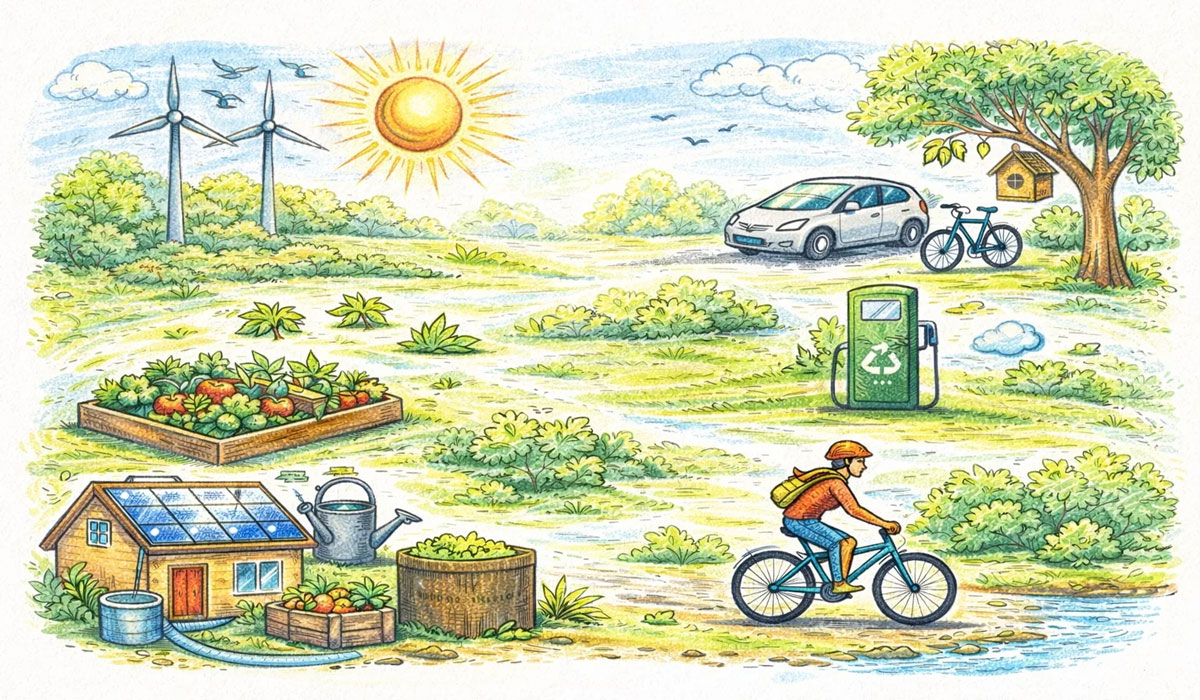
Eco in Action: Embracing a Sustainable Green Living Lifestyle
Living sustainably is no longer just a choice it’s a responsibility we all share to protect the planet and ensure a healthier future.

Green living goes beyond recycling and reducing waste; it encompasses energy efficiency, conscious consumption, and a mindset that prioritizes environmental balance. By integrating sustainable practices into daily life, individuals can make a significant impact on their communities and the world at large. Watch and keep following the latest and most viral information only on Seeds of a Living Planet.
Reducing Waste: A Simple Yet Powerful Step
One of the most tangible ways to embrace green living is by reducing waste. Every piece of trash diverted from landfills lessens pollution and conserves resources. Simple actions like using reusable bags, bottles, and containers can dramatically cut down on single-use plastics, which are major contributors to environmental degradation.
Composting is another effective practice for waste reduction. Organic scraps from kitchens can be transformed into nutrient-rich soil for gardens, reducing methane emissions from landfills and supporting sustainable food production. This process not only reduces waste but also enhances soil health, benefiting plants and ecosystems.
Mindful consumption also plays a role in minimizing waste. Choosing products with minimal packaging, buying second-hand items, or supporting companies with eco-friendly practices helps reduce the overall demand for resource-intensive manufacturing. Every small decision adds up, contributing to a larger positive impact on the environment.
Energy Efficiency: Powering a Sustainable Home
Energy consumption is a major factor in carbon emissions, and adopting energy-efficient habits is essential for green living. Simple measures like switching to LED lighting, unplugging devices when not in use, and using programmable thermostats can significantly reduce energy usage. These actions save money while lessening the environmental footprint.
Renewable energy sources, such as solar panels and wind turbines, are becoming increasingly accessible to homeowners. Investing in clean energy not only provides long-term savings but also reduces reliance on fossil fuels, which are a leading cause of climate change. Communities embracing renewable energy contribute to a cleaner, more sustainable grid.
Additionally, energy efficiency extends to water and heating systems. Low-flow faucets, efficient water heaters, and smart irrigation reduce energy consumption while conserving vital resources. Integrating these solutions into daily routines creates a holistic approach to sustainability, making homes both eco-friendly and cost-effective.
Also Read: The Secret to Eco-Friendly Living That Can Change Your Life
Sustainable Food and Transportation Choices

Diet and transportation are two areas where individual choices can make a significant environmental difference. Consuming plant-based or locally sourced foods reduces the carbon footprint associated with food production and transportation. Organic farming methods and seasonal eating further support sustainable agriculture.
Transportation choices also play a crucial role in green living. Walking, cycling, or using public transit reduces emissions and reliance on fossil fuels. Electric or hybrid vehicles offer additional options for those who require personal transportation, balancing convenience with environmental responsibility.
Educating oneself about the origins of food and the impact of travel choices fosters conscious decision-making. By aligning daily habits with sustainability principles, individuals contribute to reducing pollution, conserving natural resources, and promoting a healthier planet for future generations.
Building a Green Mindset and Community
Sustainable living is not only about individual habits it’s about cultivating a mindset and community that values the environment. Raising awareness through education, advocacy, and leading by example encourages others to adopt eco-friendly practices. Communities that prioritize sustainability often see collective benefits, including cleaner neighborhoods, healthier lifestyles, and stronger social bonds.
Supporting green initiatives, such as community gardens, local recycling programs, and environmental workshops, amplifies impact. Collaboration allows resources and knowledge to spread more effectively, creating networks of sustainable practices that extend beyond individual efforts.
A green mindset also means making long-term decisions with environmental implications in mind. From investing in sustainable products to choosing careers that prioritize eco-conscious practices, integrating sustainability into all aspects of life ensures meaningful change. By fostering both individual responsibility and collective action, societies can build a future that values ecological balance and resilience.
Conclusion
Embracing a sustainable green living lifestyle is a multifaceted journey that combines waste reduction, energy efficiency, mindful consumption, and community engagement. Small, consistent actions from switching to reusable items to supporting local agriculture can generate a profound impact when adopted by individuals and communities alike.
Ultimately, green living is about fostering a mindset that respects the planet, prioritizes sustainability, and inspires positive change. By taking responsibility for our choices today, we create a healthier, cleaner, and more resilient world for generations to come.
Image Source:
- First Image from kompas.com
- Second Image from indonesiana.id