Green Living Guide: Simple Habits For An Eco-Friendly Lifestyle
In today’s world, adopting eco-friendly habits has become essential for protecting the environment and promoting sustainability.
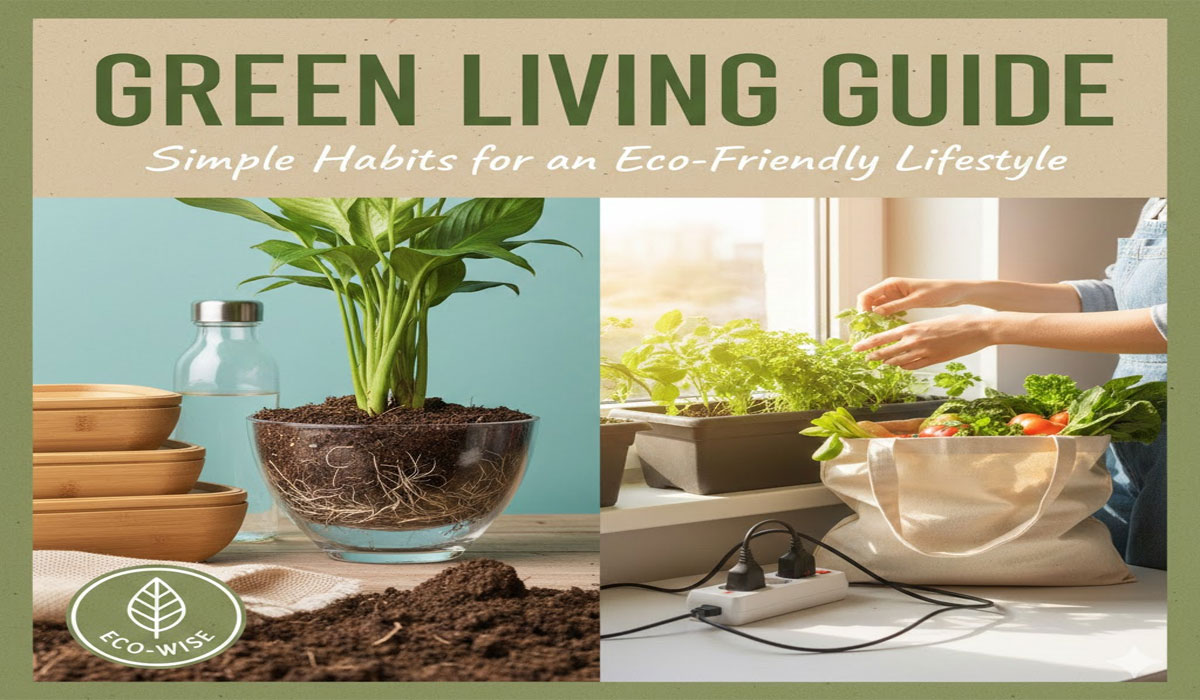
Small lifestyle changes can make a big difference when practiced consistently. Below we Seeds of a Living Planet will serve as a green living guide, offering simple habits and practical tips to help you lead an eco-friendly lifestyle while making a positive impact on the planet.
Reduce, Reuse And Recycle
The foundation of any eco-friendly lifestyle is the three R’s: reduce, reuse, and recycle. Start by minimizing your consumption of single-use items, such as plastic bags, straws, and disposable cutlery. Choosing reusable products can significantly reduce your household waste over time.
Recycling is equally important. Properly sorting paper, plastics, metals, and glass helps ensure materials are repurposed instead of ending up in landfills. Many communities provide dedicated recycling programs that make this process easier.
Reusing items creatively also supports sustainability. Repurposing jars, containers, old clothing, or furniture not only saves money but also reduces the environmental footprint of producing new goods. These small changes, practiced daily, collectively make a substantial difference.
Conserve Energy And Water
Energy and water conservation are key habits for a green lifestyle. Simple actions such as turning off lights when not in use, unplugging electronics, and using energy-efficient appliances can reduce your carbon footprint.
Water-saving habits are just as important. Fixing leaks, installing low-flow faucets, and reducing water waste during daily activities like showering and washing dishes conserve a vital resource.
By being mindful of energy and water consumption, you not only protect the environment but also save money on utility bills. Sustainable living is about combining awareness with action to make resources last longer.
Read Also: Powering the Future: The Rise of Renewable Energy
Choose Sustainable Food Practices

Food choices significantly impact the environment. Opting for locally grown and seasonal produce reduces the carbon footprint associated with transportation and storage. Organic and responsibly farmed products also support healthier ecosystems.
Reducing meat and dairy consumption can have a substantial positive effect. Plant-based meals typically require fewer natural resources and emit less greenhouse gas compared to animal-based products. Incorporating more vegetables, grains, and legumes into your diet promotes both personal health and environmental sustainability.
Minimizing food waste is another essential habit. Planning meals, storing leftovers properly, and composting organic waste helps ensure food resources are used efficiently and reduces the volume of waste sent to landfills.
Adopt Eco-Friendly Transportation
Transportation is a major contributor to greenhouse gas emissions, making sustainable travel choices important. Walking, biking, or using public transit whenever possible reduces your carbon footprint and promotes healthier living.
Carpooling with friends, neighbors, or coworkers is another effective way to minimize emissions. For longer trips, consider using fuel-efficient vehicles or hybrid and electric cars to reduce environmental impact.
Even small changes, like combining errands to reduce trips or working from home when feasible, contribute to a more sustainable lifestyle. Over time, these habits add up to meaningful environmental benefits.
Embrace Minimalism And Mindful Consumption
Living with intention and avoiding unnecessary purchases is a core principle of green living. Minimalism encourages mindful consumption, helping you focus on quality over quantity.
Before buying new items, consider whether you truly need them or if alternatives, like borrowing or repairing, are available. Reducing overconsumption helps limit the demand for resource-intensive manufacturing.
This approach not only benefits the environment but also creates a simpler, more organized lifestyle. Mindful consumption aligns your daily habits with sustainability goals, ensuring that your choices support the planet over the long term.
Conclusion
Adopting an eco-friendly lifestyle does not require drastic changes. By incorporating simple habits such as reducing waste, conserving energy and water, choosing sustainable foods, using green transportation, and practicing mindful consumption, anyone can contribute to a healthier planet.
Green living is about awareness, responsibility, and intentional choices that protect the environment for current and future generations.
Image Source:
- First Image from earth-seeds.org
- Second Image from www.frontiersin.org