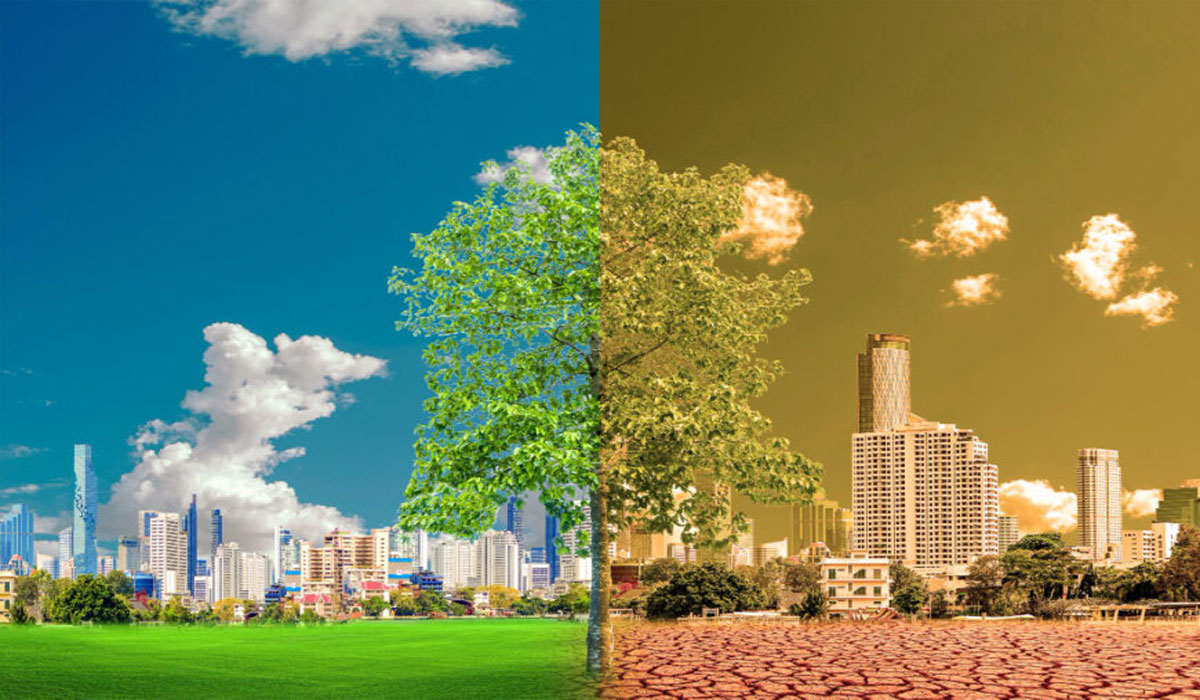
Is This The End? UN Declares Extreme Drought A Sign Of Looming Crisis!
UN warns the world: extreme droughts are escalating rapidly, threatening millions, discover the alarming signs and urgent global impact.
From agricultural collapse to environmental stress, the consequences of extreme drought are already being felt. Experts warn that immediate action is crucial to prevent further catastrophe.
This report highlights how severe climate patterns and human activity are accelerating the crisis. Stay tuned Seeds of a Living Planet keep reading to understand the alarming signs and what they could mean for the future of our planet.
Global Water Crisis Reaches Alarming Levels
The signs of a global water crisis are becoming increasingly undeniable. Extreme droughts and diminishing freshwater sources are affecting millions across the planet.
According to the United Nations, the scarcity of water is no longer a distant concern—it is a present reality. Rivers, lakes, and aquifers are being depleted at unprecedented rates.
Experts warn that if current trends continue, water shortages will intensify, threatening not only agriculture and ecosystems but also the daily lives of billions of people worldwide.
Widespread Shortages Affect Billions
The UN reports that three out of four people live in countries facing water stress, contamination, or severe drought. Roughly four billion individuals experience water scarcity for at least one month each year.
This widespread deficit highlights how essential water management has become. Without immediate action, many regions will face chronic shortages, leading to social and economic instability.
Kaveh Madani from the UN University Institute for Water, Environment and Health explains the situation as a financial analogy: the world’s “water accounts” are being drained, and natural reserves, from groundwater to glaciers, are rapidly depleted.
Also Read: See How Bach Mai Ward Is Turning Streets Into A Cleaner, Greener Paradise!
Human Activity Intensifies The Problem
Agricultural expansion and urban development into arid regions exacerbate the crisis. The growing demand for food and infrastructure puts enormous pressure on already scarce water supplies.
Global warming compounds these issues by drying out regions that were previously semi-arid. Higher temperatures accelerate evaporation, reduce rainfall, and make water replenishment increasingly difficult.
Industrial activities, pollution, and overconsumption further strain available resources. Even countries with abundant water supplies are experiencing challenges due to excessive usage and contamination from agriculture, industry, and data centers.
Environmental Impact And Ecosystem Loss
The crisis is not limited to human use; natural ecosystems are also suffering. Wetlands in Europe and other parts of the world are disappearing as land is converted to agriculture or urban areas.
Loss of wetlands reduces biodiversity and diminishes nature’s ability to store and filter water. This accelerates environmental degradation and increases vulnerability to floods and droughts.
As reported by Earth.com on Monday (1/3/2026), the disappearance of wetlands and overuse of water resources are key indicators of the global crisis, highlighting the urgent need for action to protect both people and nature.
The Need For Smarter Water Management
Experts urge individuals and governments to adopt more efficient water usage practices. Conserving water, reducing waste, and monitoring consumption are fundamental steps to mitigate shortages.
Despite these recommendations, many nations lack accurate data on water availability and usage. Without reliable monitoring, high-tech solutions like cloud seeding become impractical.
Madani stresses the importance of strategic planning and informed decision-making. A sustainable approach requires combining conservation, innovation, and policy reform to secure water for future generations.
Image Source:
- First Image from cnbcindonesia.com
- Second Image from indonesiana.id