Planetary Perspective That Scientists Can’t Stop Talking About!
Explores a powerful way of understanding Earth and its place in the universe, where our planet is viewed not as isolated regions or nations.
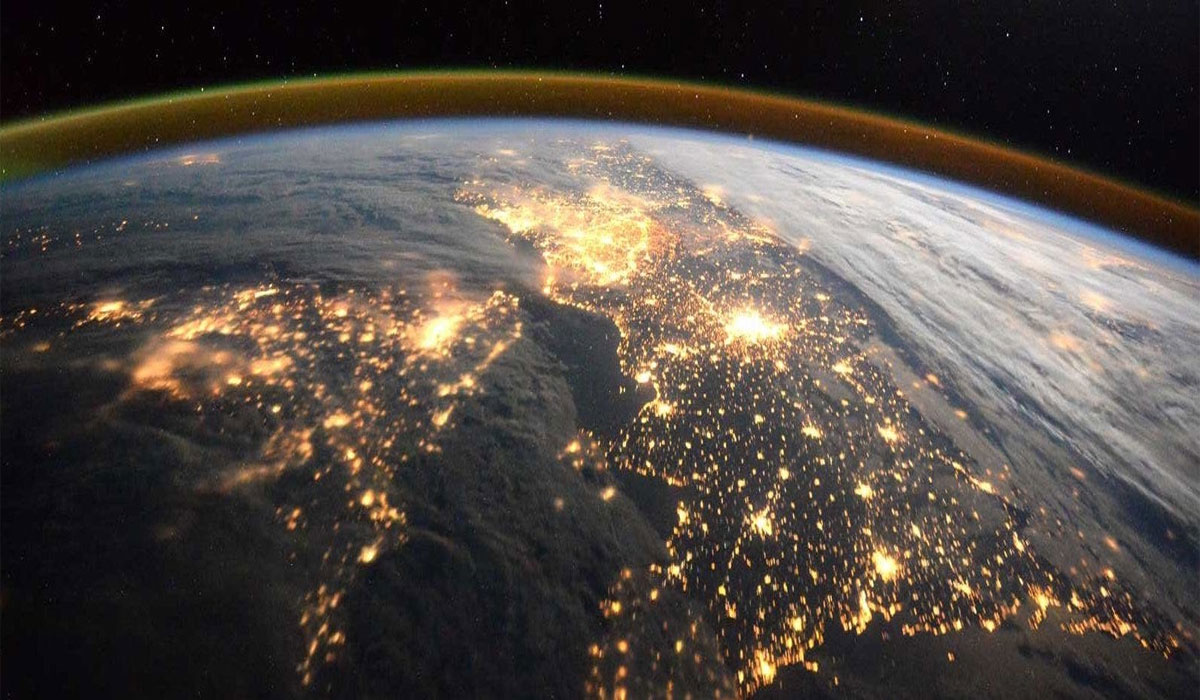
But as one interconnected system shaped by complex natural forces. This perspective has become increasingly important in modern science because it helps researchers study global challenges such as climate change, environmental degradation, and resource management from a broader and more unified viewpoint. By stepping back and seeing Earth from a “whole planet” lens, scientists are able to better understand how human activity and natural systems interact on a global scale. See and follow the complete information only at Seeds of a Living Planet.
Understanding the Idea of a Planetary Perspective
A planetary perspective refers to the way we view Earth not as isolated nations or regions, but as a single interconnected system. From this viewpoint, oceans, atmosphere, land, and life are all part of one dynamic whole.
This way of thinking is often used in environmental science and space studies. It helps scientists analyze global patterns such as climate change, biodiversity loss, and resource distribution more effectively.
By stepping back and viewing Earth as one system, humanity gains a clearer understanding of how small actions in one region can have large consequences elsewhere on the planet.
What Space Observation Reveals About Earth
Satellite technology has transformed how we observe the planet. From space, scientists can track weather systems, deforestation, melting ice caps, and urban expansion in real time.
Images taken from orbit show Earth as a fragile, thin layer of life surrounded by vast space. This visual perspective has influenced both scientific research and public awareness about environmental responsibility.
One of the most powerful contributions of space observation is its ability to reveal patterns that are invisible at ground level, helping experts make more accurate predictions about environmental changes.
Also Read: Renewable Energy Boom: The Technology Saving Our Planet Right Now
The Scientific Importance of Global Interconnection

The planetary perspective highlights how deeply interconnected Earth’s systems truly are. Changes in one area, such as ocean temperature, can influence weather patterns across the entire globe.
Scientists use this perspective to study complex issues like climate systems, carbon cycles, and ecological balance. These studies show that no region exists in isolation when it comes to environmental impact.
Understanding these connections is essential for solving global challenges. It allows researchers and policymakers to design solutions that consider the entire planet rather than individual regions.
How Planetary Thinking Shapes Human Behavior
Adopting a planetary perspective also influences how people think about sustainability and responsibility. It encourages individuals to consider the long-term impact of their actions on the environment.
Education systems and media increasingly promote this way of thinking to raise awareness about global issues. This helps build a generation that is more conscious of environmental challenges.
As more people embrace this mindset, there is a growing shift toward sustainable living, renewable energy, and global cooperation in addressing shared problems.
Conclusion
A planetary perspective changes how humanity sees itself and its role in the universe. By understanding Earth as a connected and fragile system, both scientists and individuals can make better decisions that support long-term sustainability. This way of thinking not only advances scientific discovery but also encourages responsibility, cooperation, and deeper respect for the planet we all share.
Image Information Source:
- First Image of www.sharethelove.blog
- Second Image of www.sharethelove.blog