Powering the Future: The Rise of Renewable Energy
The world is undergoing an energy revolution, As the impacts of climate change intensify and fossil fuel reserves dwindle.
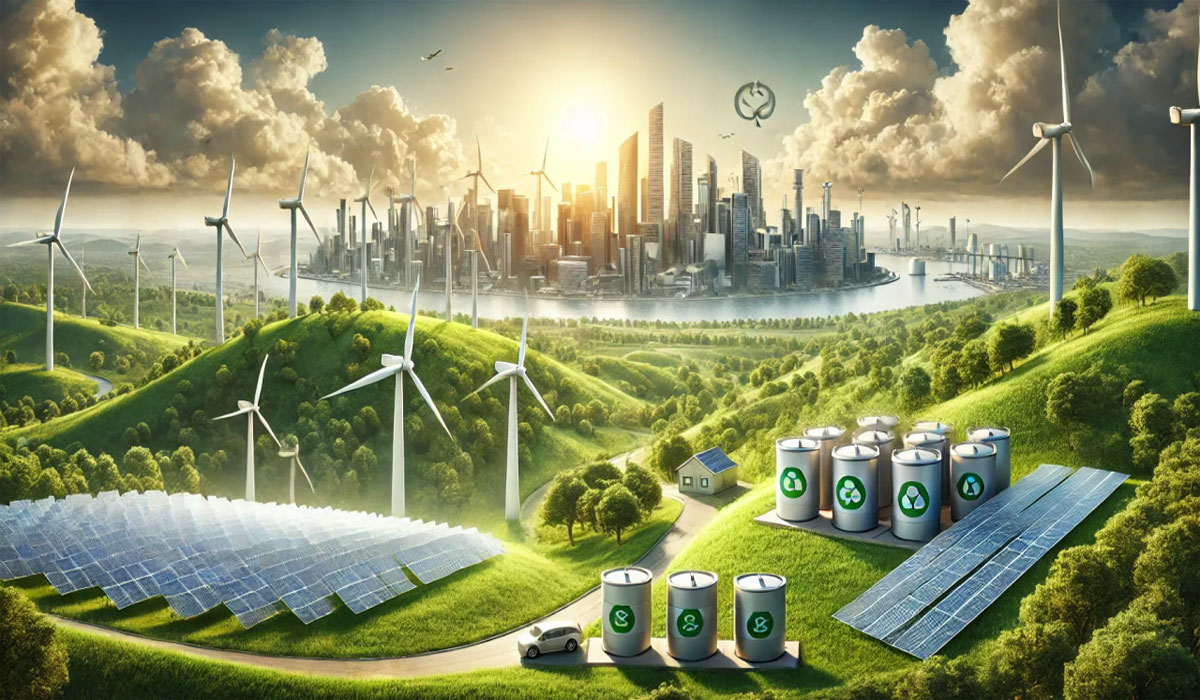
Renewable energy has emerged as the cornerstone of a sustainable and resilient future. Solar panels glisten on rooftops, wind turbines spin gracefully across landscapes, and innovative technologies are transforming how we generate and consume power. Embracing renewable energy is no longer optional it is essential for both environmental preservation and economic growth.
Explore Seeds of a Living Planet the innovations and impacts driving this energy revolution and learn why embracing renewables is crucial for our planet and generations to come.
Solar Power: Harnessing the Sun’s Energy
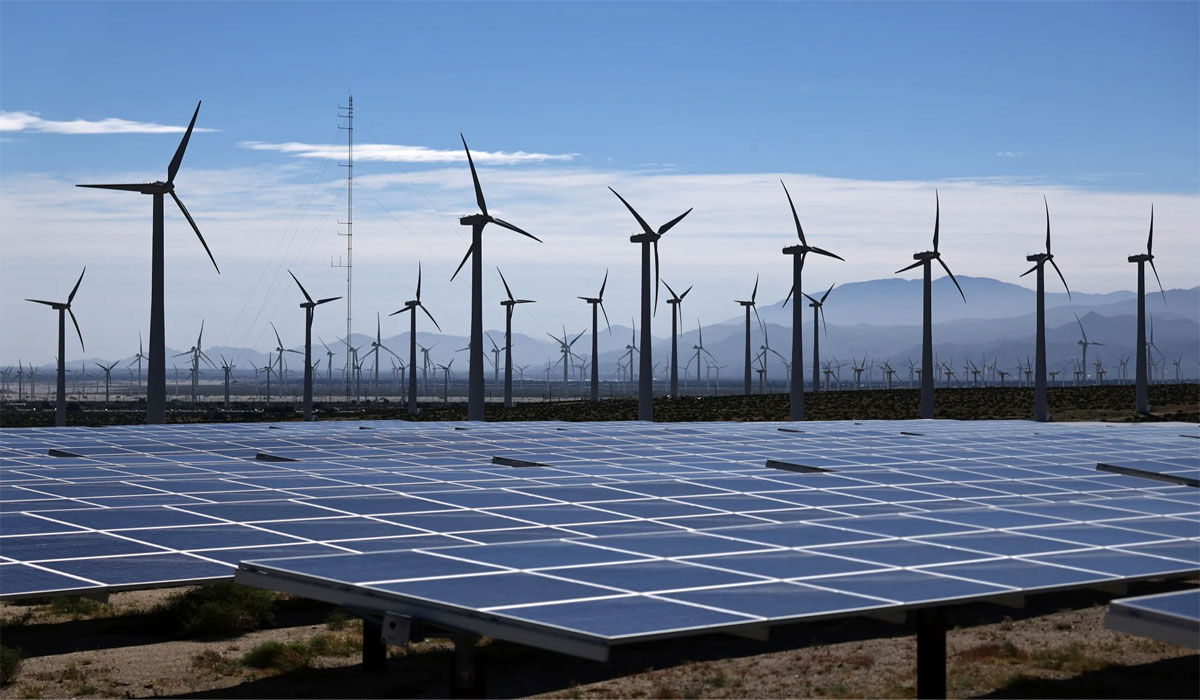
Solar energy has rapidly become one of the most accessible and widely used forms of renewable energy. Photovoltaic panels convert sunlight directly into electricity, providing a clean, abundant, and sustainable power source. Modern solar systems are increasingly efficient, capable of generating electricity even on cloudy days, making them suitable for residential, commercial, and industrial applications.
The cost of solar installations has dropped dramatically over the past decade, making it a viable investment for homeowners and businesses alike. Government incentives and subsidies further encourage adoption, accelerating the transition from traditional energy sources. Communities worldwide are increasingly embracing solar farms and rooftop panels to reduce electricity bills and carbon footprints.
Beyond electricity generation, solar energy powers innovations in water heating, desalination, and even transportation. Integrating solar solutions into urban infrastructure and rural development plans ensures that both densely populated cities and remote areas can benefit from renewable energy. The sun’s limitless potential makes it a cornerstone of the sustainable energy movement.
Wind Energy: Capturing Nature’s Power
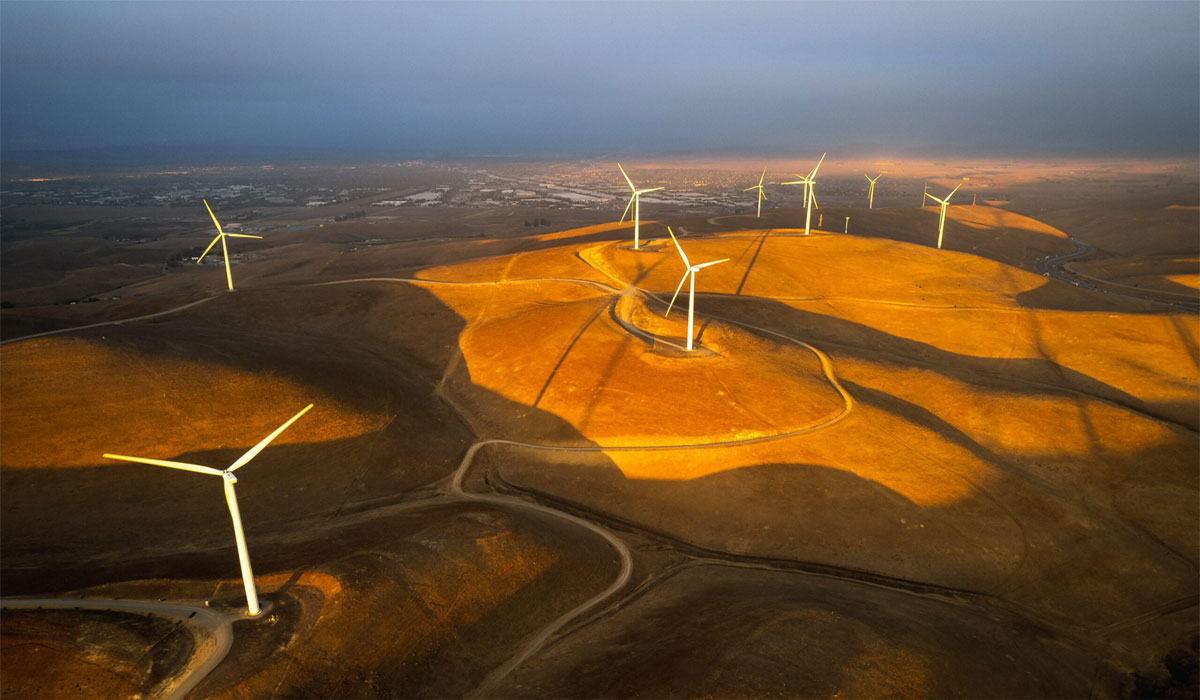
Wind energy is another rapidly growing segment of the renewable sector. Modern wind turbines convert kinetic energy from wind into electricity, often on a large scale, through onshore and offshore wind farms. Countries like Denmark, Germany, and China have demonstrated that wind power can supply a significant portion of national energy needs.
Technological advancements have improved turbine efficiency, durability, and noise reduction, making wind energy a more attractive option for communities. Smart grid systems now allow electricity generated from variable wind patterns to be stored or redistributed effectively, ensuring a stable supply even when wind speeds fluctuate.
Wind energy also offers economic benefits by creating jobs in manufacturing, installation, and maintenance. Local economies can thrive around wind farms, while communities enjoy reduced air pollution and greenhouse gas emissions. The combination of environmental and economic advantages underscores why wind energy is a critical component of the renewable energy mix.
Also Read: Renewable Energy Revolution: Powering A Sustainable Future
Hydropower and Other Renewable Sources
Hydropower, one of the oldest renewable energy technologies, continues to play a vital role in global energy systems. By harnessing the flow of rivers and streams, hydroelectric dams generate electricity without burning fossil fuels. Modern advancements in small-scale and run-of-the-river systems minimize ecological disruption while providing reliable energy to communities.
Other renewable sources, such as geothermal energy and biomass, also contribute to a diversified energy portfolio. Geothermal plants utilize heat from the Earth’s core to generate electricity and heat buildings, while biomass converts organic materials into fuel. These technologies complement solar and wind power by providing consistent energy supply, even when sunlight or wind is unavailable.
The combination of multiple renewable sources enhances grid stability and reduces dependence on fossil fuels. By integrating diverse technologies, nations can achieve a more resilient energy system capable of withstanding environmental and economic challenges. Diversification ensures that renewable energy not only supports sustainability goals but also strengthens energy security.
Challenges and Innovations in Renewable Energy
While renewable energy offers tremendous benefits, it also faces challenges. Intermittency, energy storage, and initial infrastructure costs can be obstacles to widespread adoption. Storing electricity efficiently during periods of high generation and low demand requires advanced battery technologies and smart grid systems.
Innovation is addressing these challenges at an unprecedented pace. Breakthroughs in lithium-ion and solid-state batteries, grid management software, and hybrid renewable systems are making it possible to store and distribute energy more effectively. Floating solar farms, vertical-axis wind turbines, and tidal energy are examples of creative solutions expanding the renewable landscape.
Public policy, investment, and international cooperation are also critical. Governments and organizations must continue supporting research, providing incentives, and creating frameworks that encourage private and public sector participation. A coordinated approach ensures that renewable energy can meet growing global demand while minimizing environmental impact.
Conclusion
Renewable energy represents the future of power generation, combining sustainability, economic growth, and technological innovation. Solar, wind, hydropower, geothermal, and biomass collectively offer solutions to climate change, energy security, and environmental degradation. Despite challenges, advances in technology and supportive policies are accelerating the global transition to clean energy.
Image Source:
- First Image from kompas.com
- Second Image from indonesiana.id