Shocking Renewable Energy Breakthroughs That Will Change the World in 2026
The world is on the brink of an energy revolution In 2026, renewable energy is no longer a distant ideal but a rapidly evolving reality.
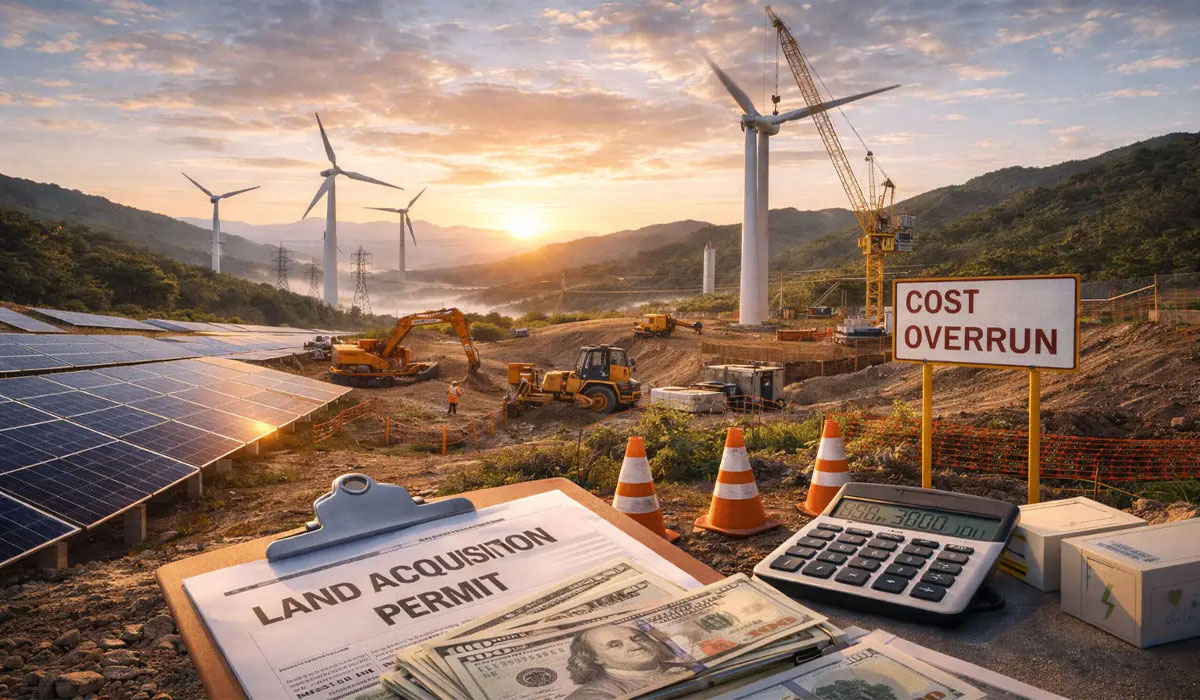
Transforming how we power homes, industries, and entire nations. Breakthroughs in solar, wind, and bioenergy are not only reducing carbon footprints but also promising unprecedented efficiency and accessibility. For anyone interested in the future of energy, 2026 offers shocking innovations that could redefine our planet’s power landscape.
Watch and keep following the latest and most viral information only on Seeds of a Living Planet.
Solar Energy Innovations Redefining Power
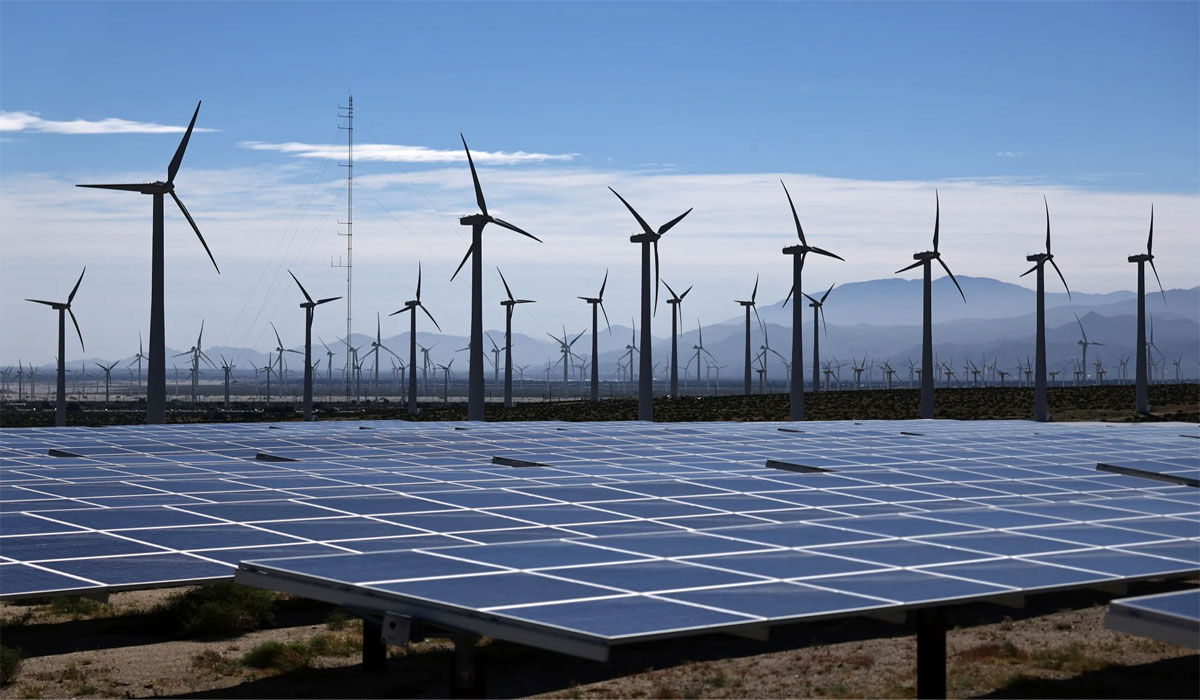
Solar energy has become more than just rooftop panels. In 2026, perovskite solar cells are revolutionizing efficiency, allowing panels to generate more electricity from the same sunlight compared to traditional silicon-based technology. These flexible and lightweight cells can be integrated into windows, clothing, and even vehicles, expanding the possibilities of solar power beyond conventional arrays.
Community solar farms are another breakthrough, enabling neighborhoods and towns to collectively generate electricity. This model democratizes energy access, allowing residents to benefit from clean power without installing individual panels. Crowdsourced energy solutions like these are transforming how societies interact with energy infrastructure.
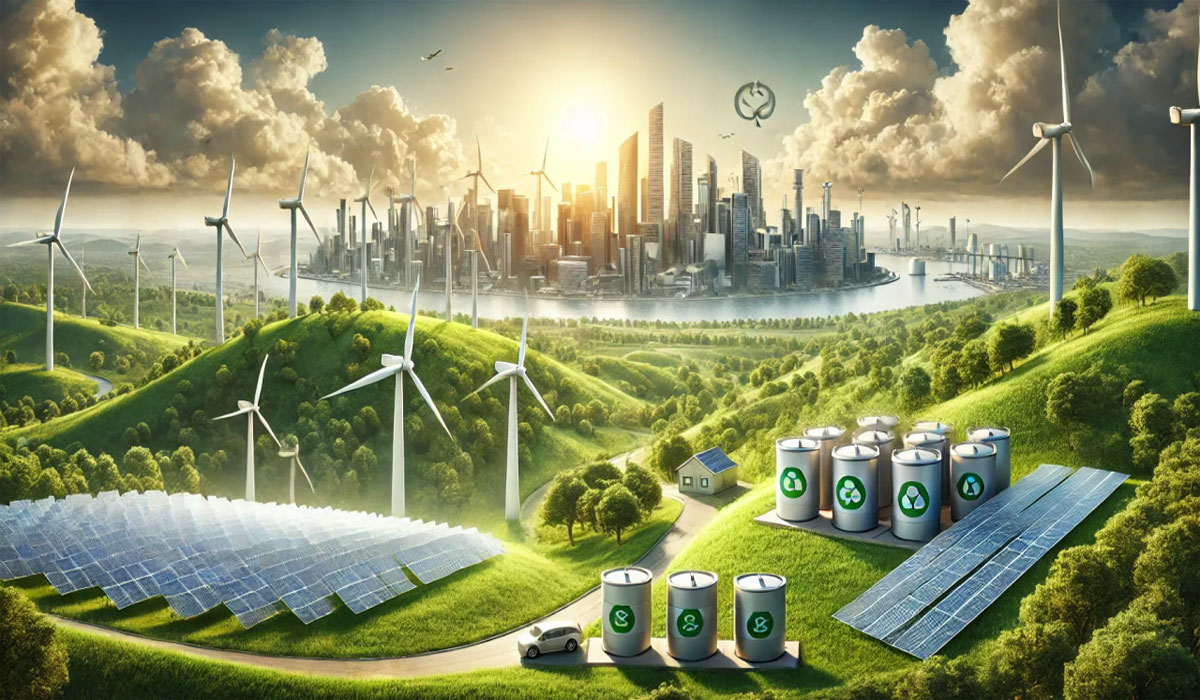
In addition, solar energy storage technology has made leaps forward. Advanced battery systems now allow households and businesses to store excess solar energy for days, ensuring continuous power supply even during cloudy periods or night-time hours. With these improvements, solar energy is poised to challenge traditional power grids.
Wind Power Getting Smarter and Stronger
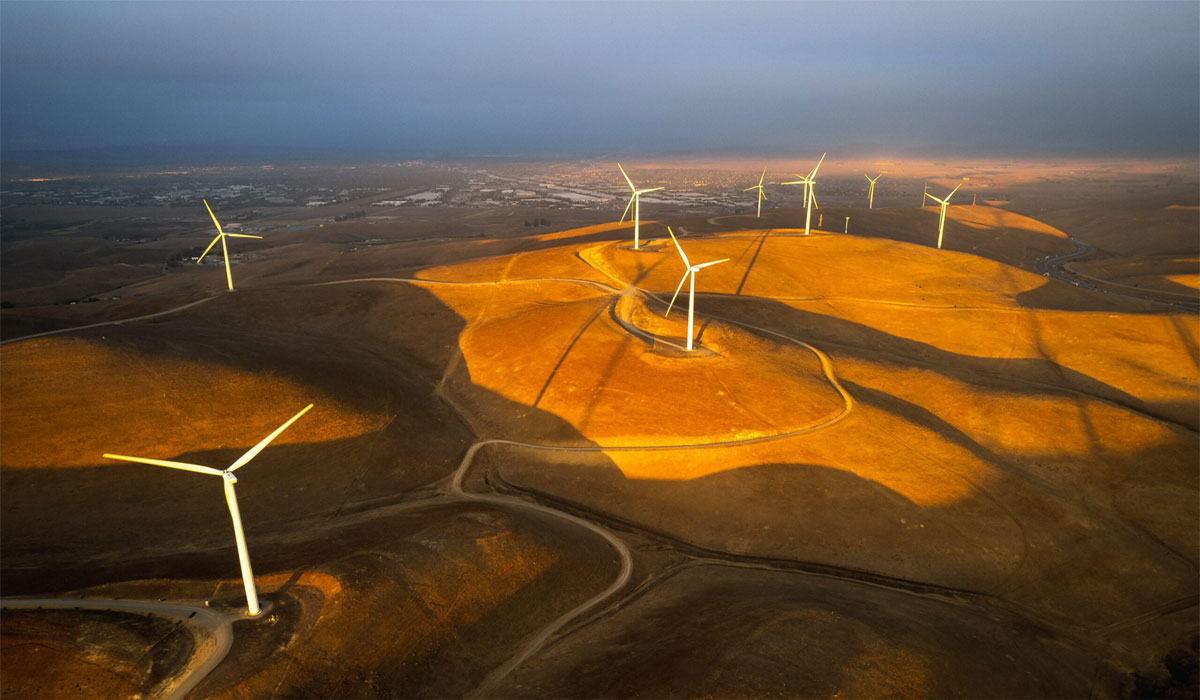
Wind energy is also experiencing major innovations. Turbines in 2026 are taller, smarter, and more efficient, capable of capturing energy even in low-wind conditions. Offshore wind farms have expanded exponentially, taking advantage of consistent coastal winds to generate massive amounts of electricity while minimizing land use conflicts.
AI-powered wind management systems predict wind patterns, optimizing turbine output and reducing maintenance costs. These intelligent systems can adjust turbine angles in real time, maximizing efficiency and ensuring longer operational lifespans. The integration of smart technology has made wind farms more profitable and reliable than ever.
Smaller-scale wind solutions are becoming popular as well. Portable and community-level turbines are now feasible, enabling rural or remote areas to harness wind energy independently. These decentralized solutions contribute to energy resilience and empower communities worldwide.
Also Read: Shocking Green Living Hacks That Will Transform Your Life in 2026
Bioenergy and Sustainable Fuel Revolution
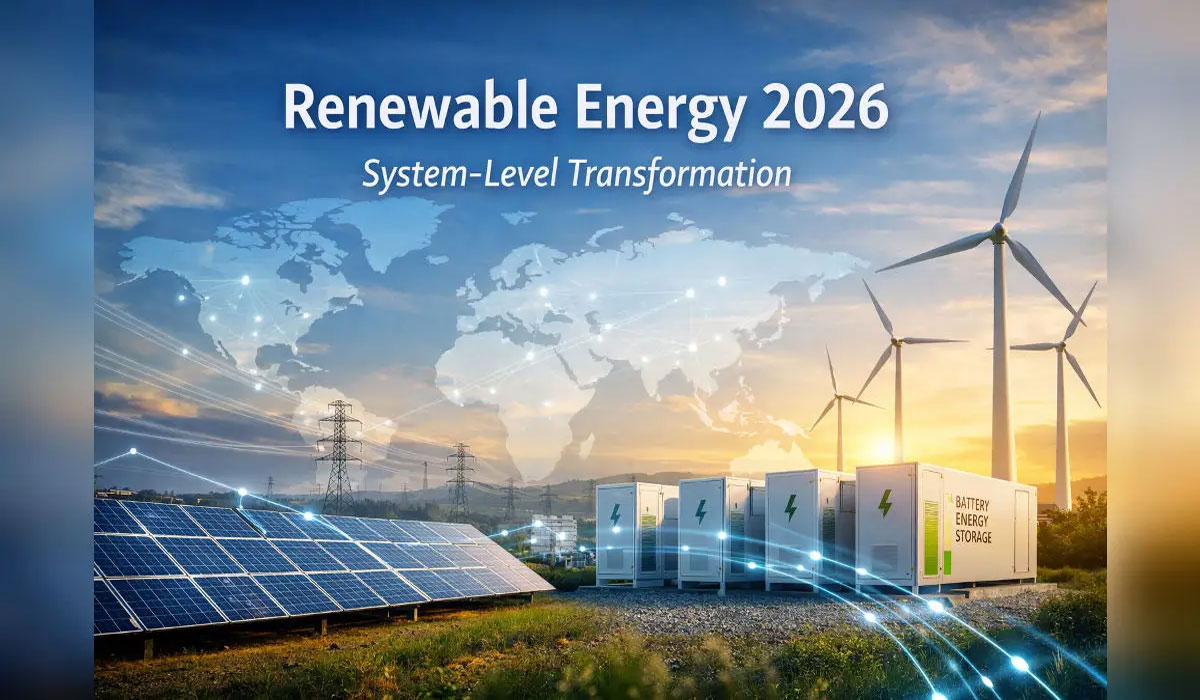
Bioenergy has moved from experimental to practical applications in 2026. Scientists have developed new methods to convert agricultural and industrial waste into high-efficiency biofuels. These fuels can power transportation and industrial machinery while significantly lowering greenhouse gas emissions compared to fossil fuels.
Innovations in algae-based biofuels are particularly promising. Algae grows rapidly and can be cultivated in unused or polluted water, producing energy-rich oils suitable for aviation and heavy transport. This technology offers a dual benefit: sustainable fuel production and environmental remediation.
Additionally, synthetic biology and microbial engineering are enabling tailored bioenergy solutions. Microbes can now break down organic material faster and produce more energy than conventional methods. As these technologies mature, bioenergy is becoming a cornerstone of a truly sustainable energy future.
Integrating Renewable Energy into Daily Life
Beyond generation, the integration of renewable energy into daily life has advanced dramatically. Smart grids allow households to optimize energy use, automatically switching between solar, wind, and stored energy to minimize costs and environmental impact. These systems also communicate with utilities to balance supply and demand efficiently.
Electric vehicles (EVs) are now tightly linked with renewable energy grids. EV batteries can store excess power during peak production and feed it back during high-demand periods. This vehicle-to-grid integration not only reduces reliance on fossil fuels but also stabilizes electricity supply for entire communities.
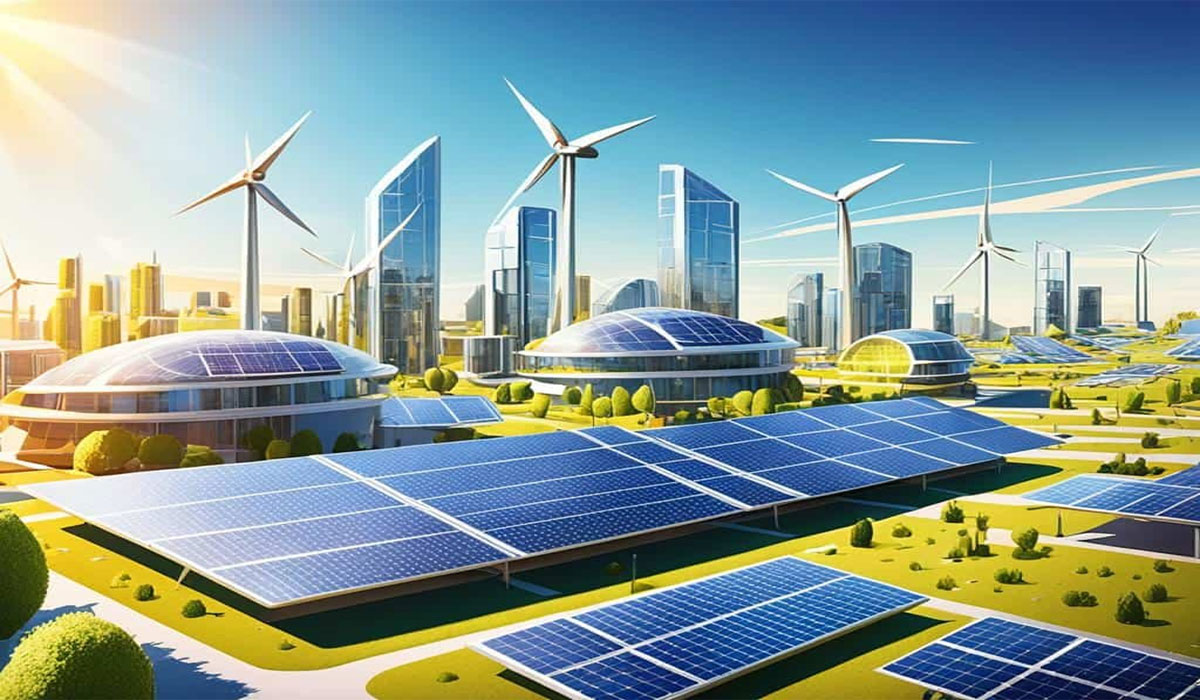
Energy-efficient architecture and urban planning further amplify renewable benefits. Buildings equipped with solar façades, passive cooling systems, and smart energy management consume significantly less power while contributing to local grids. In 2026, everyday life is increasingly powered by clean, renewable sources, demonstrating how sustainable energy can seamlessly fit into modern lifestyles.
Conclusion
The renewable energy breakthroughs of 2026 are nothing short of revolutionary. From cutting-edge solar technology and smarter wind farms to innovative biofuels and integrated smart systems, the world is witnessing a fundamental transformation in how power is generated, stored, and used.
These developments promise not only a reduction in carbon emissions but also greater energy independence, affordability, and sustainability. For individuals, communities, and nations, embracing these advancements is not just an option it’s a necessity for a cleaner, more resilient future.
Image Source:
- First Image from kompas.com
- Second Image from indonesiana.id