Shocking Truth About Renewable Energy They Don’t Want You To Know!
Uncover the shocking truths about renewable energy that could change the future of power, What they hide will surprise you!
Renewable energy is hailed as the solution to climate change, but hidden truths reveal a more complicated reality. From untold environmental impacts to controversial corporate practices, the full story challenges common assumptions. Understanding these revelations is crucial as the world transitions to sustainable power, raising questions about what we’ve been told and what lies beneath the surface. See and follow the complete information only at Seeds of a Living Planet.
The Hidden Costs Of Renewable Energy
Renewable energy is often seen as completely green, but hidden costs challenge that perception. Manufacturing solar panels and wind turbines consumes resources and generates emissions. Mining for rare minerals used in batteries can harm ecosystems. These factors reveal that the transition to renewable energy is not entirely impact-free. Energy storage presents another hidden challenge. Large-scale batteries require significant materials and energy to produce. Disposal and recycling of used batteries pose additional environmental risks. Awareness of these issues is crucial for realistic assessments of renewable energy’s sustainability.
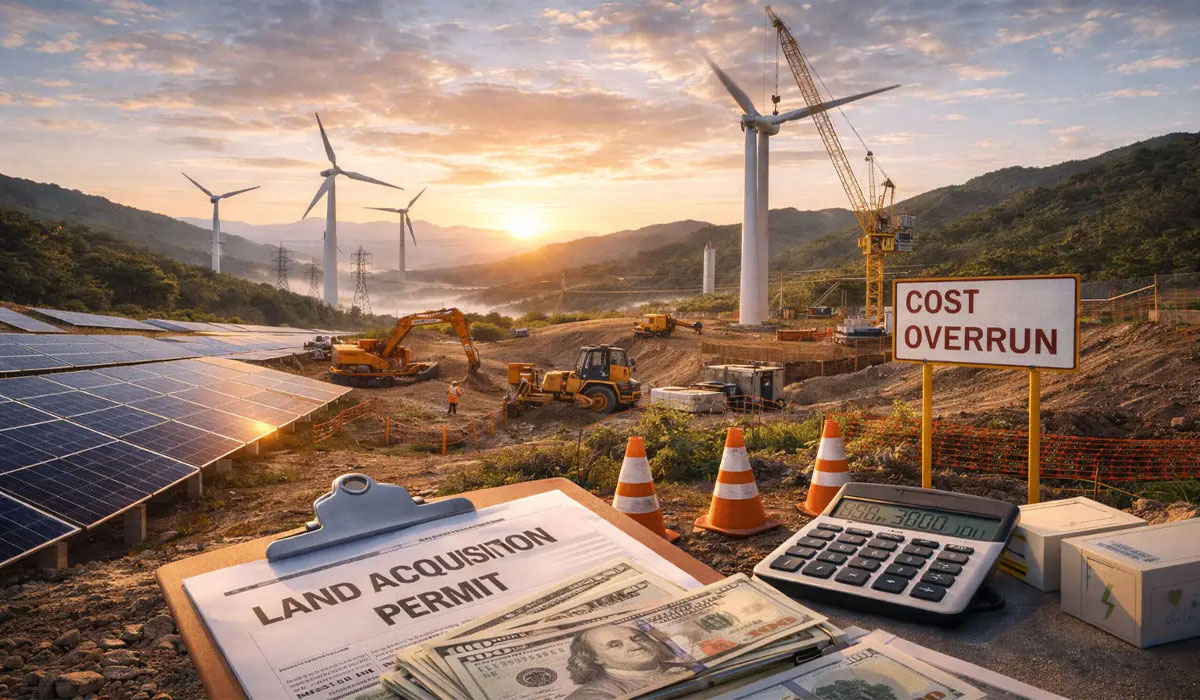
Infrastructure development also carries environmental implications. Building dams, solar farms, or wind farms alters landscapes and habitats. Careful planning is required to minimize ecological disruption. Renewable energy projects are not automatically harmless to nature. Economic costs are often overlooked. High initial investment and maintenance expenses can burden governments and communities. Hidden financial pressures highlight the importance of evaluating renewable projects carefully.
Environmental Concerns And Risks
While renewable energy reduces fossil fuel dependence, it introduces environmental risks. Wind turbines affect bird and bat populations. Solar farms require large land areas, impacting local ecosystems. Even clean energy can have unintended consequences. Hydroelectric dams disrupt aquatic ecosystems and alter water flow. Communities dependent on rivers may face shortages or ecological changes. Such projects reveal the balance needed between energy production and environmental preservation.
Waste from solar panels is another emerging concern. Panels have limited lifespans, and improper disposal can release toxic chemicals. Safe recycling methods are still being developed. Bioenergy projects can lead to deforestation or monoculture farming. While reducing fossil fuel use, these initiatives can harm biodiversity. Renewable energy requires careful management to avoid environmental trade-offs.
Also Read: Youth Action Projects That Are Quietly Changing Everything Without Anyone Noticing
Corporate Influence And Hidden Agendas
Major energy corporations play a critical role in shaping renewable energy policies. Some prioritize profit over environmental benefit. Lobbying and incentives may favor certain technologies, even if alternatives are more sustainable. Public perception is often guided by marketing campaigns. Companies highlight benefits while downplaying drawbacks. This selective presentation can mislead policymakers and the public.
Some renewable projects involve private monopolies controlling energy access. Limited transparency raises questions about fairness and equitable distribution. Citizens must stay informed about corporate practices. Ethical concerns emerge when corporate agendas clash with public interest. Advocacy for renewable energy should consider both environmental and societal impacts.
Technological Limitations
Renewable energy relies heavily on technology, which has limitations. Intermittent power sources like solar and wind require backup solutions to ensure stability. Reliability remains a challenge in global energy planning. Grid integration is complex and costly. Managing variable output demands advanced infrastructure and monitoring systems. Technological constraints limit efficiency and scalability.
Battery technology continues to evolve but faces hurdles. Energy density, longevity, and disposal remain concerns. Current solutions are not yet perfect for mass deployment. Research is ongoing to enhance efficiency and reduce environmental costs. Breakthroughs in materials, storage, and grid management will determine future success.
Preparing For A Balanced Energy Future
Understanding the hidden truths of renewable energy is essential. While promising, it is not without challenges and risks. Balanced evaluation helps guide policy and personal choices. Investment in research and sustainable practices is key. Governments and corporations must collaborate to minimize environmental and societal costs. Innovation should focus on transparency and long-term impact.
Public awareness empowers responsible decision-making. Citizens can advocate for sustainable practices while demanding accountability from energy providers. The future of energy depends on balancing environmental, technological, and economic factors. Responsible development ensures renewable energy benefits humanity without hidden consequences.
Image Information Source:
- First Image of greenhouse.agency
- Second Image of greenhouse.agency