The Future of Our Planet: Incredible Earth Science & Ecology Discoveries in 2026
Our planet is revealing more secrets than ever before, and 2026 is shaping up to be a breakthrough year for Earth science and ecology.
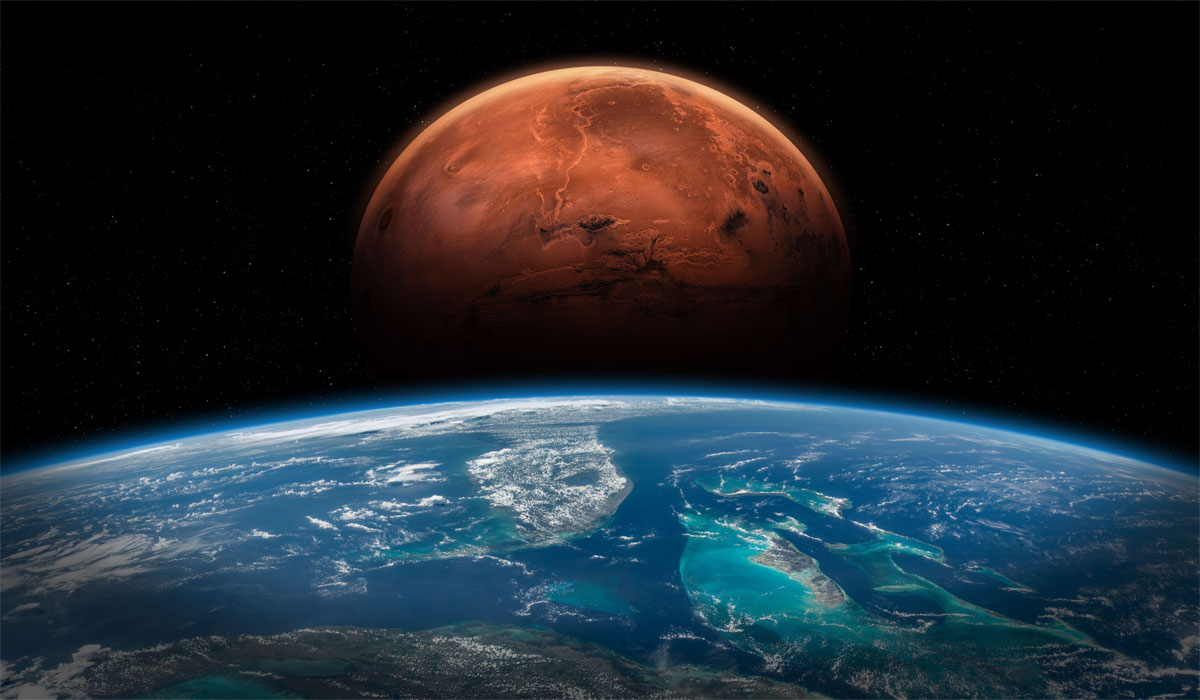
From astonishing discoveries in biodiversity to innovative solutions for climate challenges, scientists are uncovering insights that could change how we live and interact with the natural world. The future of our planet is not only fascinating it’s a call to action for everyone who cares about its survival and flourishing. Watch and keep following the latest and most viral information only on Seeds of a Living Planet.
Stunning Biodiversity Discoveries
In 2026, researchers are uncovering species previously unknown to science in some of the planet’s most remote regions. From deep-sea creatures in the Pacific Ocean to rare insects in tropical rainforests, these discoveries highlight the richness of Earth’s ecosystems. Each new species provides crucial insights into ecological relationships and evolutionary processes, expanding our understanding of life on Earth.
Beyond mere cataloging, scientists are exploring how these species adapt to extreme environments. Studying these adaptations can inspire innovations in technology, medicine, and sustainable practices. For example, the unique antifreeze proteins in deep-sea fish or drought-resistant traits in desert plants offer clues for developing resilient crops and new materials.
These discoveries also stress the importance of conservation. As humanity encroaches on natural habitats, many species face unprecedented threats. Documenting biodiversity not only excites scientific curiosity but also strengthens the case for protecting vulnerable ecosystems worldwide.
Climate Change Breakthroughs
Earth science research in 2026 is revealing striking new data about climate dynamics. Advanced satellite imaging and AI-driven climate models are allowing scientists to predict extreme weather events with greater precision than ever before. These breakthroughs help governments and communities prepare for floods, hurricanes, and droughts, reducing human and economic losses.
Ecologists are also uncovering innovative ways that ecosystems can mitigate climate change. Mangrove forests, peatlands, and coral reefs are being studied for their carbon storage capacities, revealing natural solutions to absorb greenhouse gases. Protecting and restoring these ecosystems has become a priority in the fight against global warming.
Moreover, interdisciplinary collaborations are producing new strategies for climate adaptation. From heat-resistant crops to urban green infrastructure, the fusion of ecology, technology, and social planning is creating practical solutions that balance human needs with environmental sustainability.
Also Read: The Future Is Now! Renewable Energy Innovations You Must See in 2026
Revolutionary Ecosystem Research
The complexity of Earth’s ecosystems is becoming increasingly apparent through cutting-edge research in 2026. Scientists are mapping food webs, nutrient cycles, and species interactions at an unprecedented scale. This holistic approach helps predict how ecosystems respond to both natural and human-induced changes, from invasive species to deforestation.
One remarkable development is the use of drones and remote sensors to monitor ecosystems in real time. These tools allow researchers to track animal movements, vegetation health, and water quality with incredible accuracy. Real-time monitoring enables rapid intervention when ecosystems are threatened, increasing the efficiency of conservation efforts.
Another focus is ecological restoration. Reintroducing native species, rehabilitating degraded lands, and restoring wetlands are proving successful in reviving biodiversity. Communities and scientists are learning that even heavily impacted ecosystems can recover if managed thoughtfully, offering hope for the planet’s long-term resilience.
Innovations in Sustainable Solutions
The year 2026 also showcases exciting innovations inspired by Earth science and ecology. Renewable energy technologies, like solar and wind farms integrated with wildlife corridors, demonstrate that human development and ecological preservation can coexist. Innovations in biodegradable materials, water purification systems, and vertical farming are reducing the ecological footprint of human activity.
Urban planners are using ecological principles to design sustainable cities. Green roofs, urban forests, and permeable surfaces not only reduce pollution and flooding but also enhance biodiversity within cities. This integration of nature into daily life exemplifies a forward-thinking approach to sustainability.
Public engagement is equally vital. Citizen science programs are enabling communities to participate in monitoring wildlife, collecting climate data, and contributing to ecological research. These initiatives empower individuals while generating valuable data for scientists and policymakers.
Conclusion
2026 is shaping up to be a pivotal year in Earth science and ecology. From breathtaking biodiversity discoveries and climate change breakthroughs to revolutionary ecosystem research and sustainable innovations, the planet is revealing its wonders while offering solutions to pressing challenges.
These developments remind us that humanity is deeply connected to the natural world. By embracing scientific insights, supporting conservation, and adopting sustainable practices, we can ensure that Earth remains vibrant, resilient, and full of life for generations to come. The future of our planet depends on knowledge, action, and the collective will to protect it.
Image Source:
- First Image from kompas.com
- Second Image from indonesiana.id