Unbelievable Impact! How Sustainability Education Can Shape the Future
Sustainability education is not just a trend; it’s a movement that has the power to redefine how society interacts with the environment.
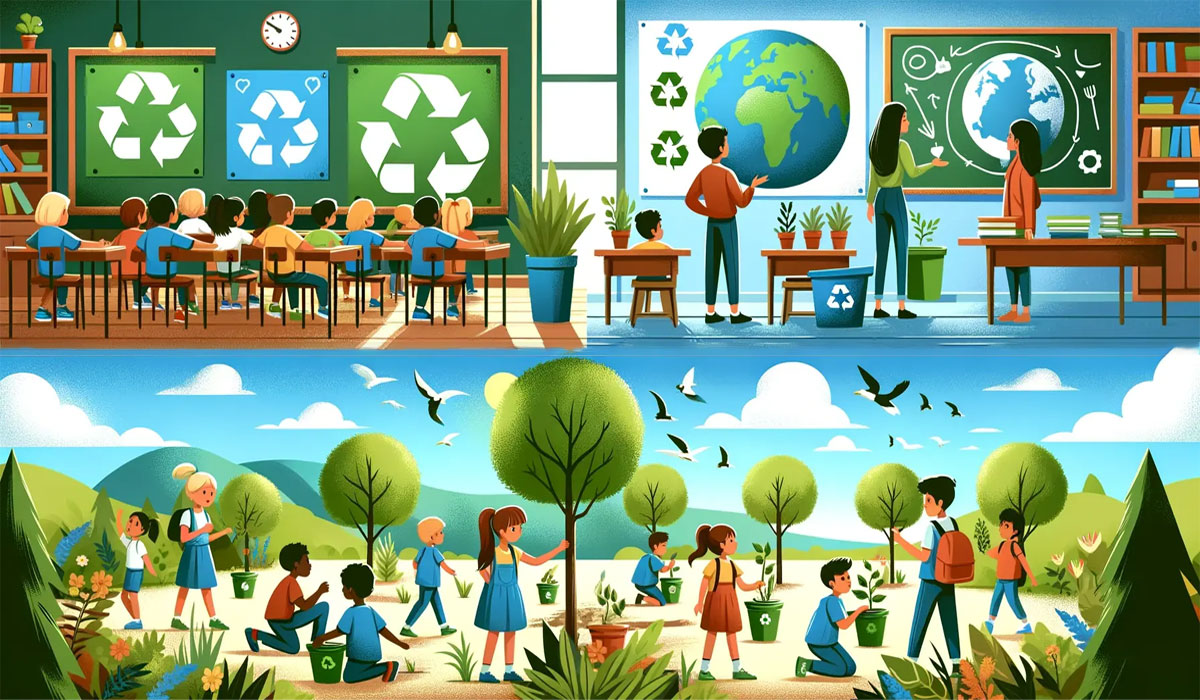
By teaching young people and communities the principles of sustainability, we empower them to make informed decisions that protect natural resources, reduce waste, and promote social equity. The ripple effects of this education reach far beyond classrooms, influencing policy, business, and culture. Watch and keep following the latest and most viral information only on Seeds of a Living Planet.
Understanding Sustainability: Beyond Recycling and Green Practices
Sustainability education goes deeper than simple eco-friendly habits. While recycling and conserving energy are important, true sustainability involves understanding ecological systems, social responsibility, and economic impacts. Students learn how human actions affect climate, biodiversity, and global communities.
Incorporating sustainability into the curriculum helps learners develop critical thinking skills. They analyze environmental challenges, evaluate solutions, and consider the long-term consequences of decisions. This comprehensive approach ensures they are prepared to tackle real-world problems.
Beyond theory, sustainability education often emphasizes hands-on projects. From school gardens to local clean-up initiatives, students experience the practical aspects of environmental stewardship, making learning both tangible and impactful.
Shaping Future Leaders: Empowering Decision-Makers
One of the most powerful aspects of sustainability education is its role in shaping future leaders. Individuals equipped with knowledge about environmental challenges are more likely to make responsible choices in politics, business, and community planning.
Education instills a sense of accountability. Leaders who understand the environmental, social, and economic consequences of decisions can create policies that promote sustainable growth while reducing negative impacts. This knowledge fosters innovation in green technologies, renewable energy, and ethical business practices.
Moreover, sustainability-focused education encourages collaboration. Students learn to work across disciplines, cultures, and communities, which prepares them to lead global initiatives addressing complex environmental and societal issues.
Also Read: Hidden Climate Warning Signs! Environmental Changes That Could Shape Our Future
Community Impact: Grassroots Change Through Education
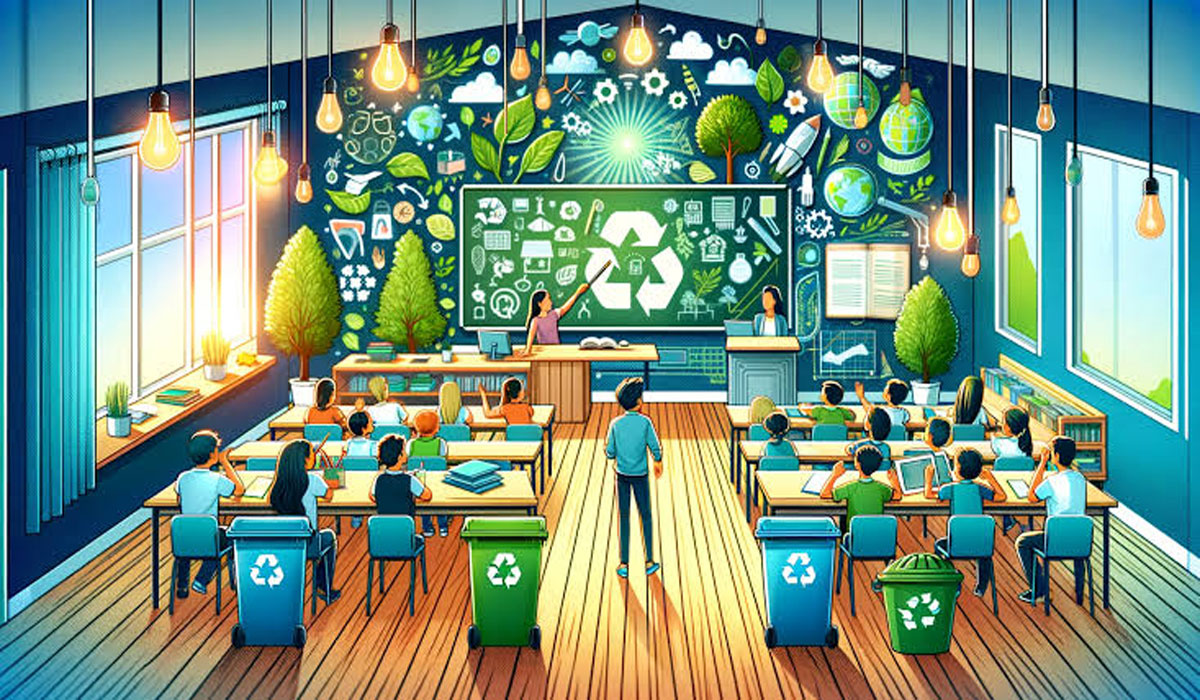
Sustainability education doesn’t stop at individual growth; it transforms communities. When learners share knowledge with families and neighbors, awareness spreads, influencing local behaviors and attitudes.
Community-based programs, workshops, and outreach initiatives encourage collective action. Whether it’s reducing single-use plastics, protecting water sources, or supporting local agriculture, education empowers citizens to take meaningful steps toward a healthier environment.
These community impacts often extend to economic and social benefits. Sustainable practices can reduce costs, create green jobs, and improve quality of life while fostering stronger community bonds. Education becomes the catalyst for widespread, positive change.
Global Implications: Preparing for a Sustainable Planet
At a global level, sustainability education addresses urgent challenges such as climate change, deforestation, and resource depletion. Informed citizens are more likely to advocate for international cooperation, ethical consumption, and environmental justice.
Schools and universities that integrate sustainability principles cultivate a generation ready to tackle crises with innovation and empathy. These learners contribute to research, policy development, and technological advancement, ensuring that environmental concerns remain a priority worldwide.
Sustainability education also emphasizes equity and social justice. By understanding the disproportionate impacts of environmental degradation on vulnerable populations, students are motivated to create solutions that are inclusive, fair, and effective on a global scale.
Conclusion
Sustainability education has the power to transform individuals, communities, and the world. By equipping people with knowledge, critical thinking skills, and practical experiences, it fosters responsible decision-making, empowers future leaders, and inspires grassroots and global change.
From reshaping how communities consume resources to influencing international policies, the lessons learned through sustainability education can create a healthier, more equitable, and thriving planet for generations to come. The impact is truly unbelievable proof that education is one of the most powerful tools in shaping a sustainable future.
Image Source:
- First Image from kompas.com
- Second Image from indonesiana.id