You Won’t Believe How Renewable Energy Is Transforming the World in 2026
The global energy landscape is undergoing one of the most dramatic transformations in modern history.
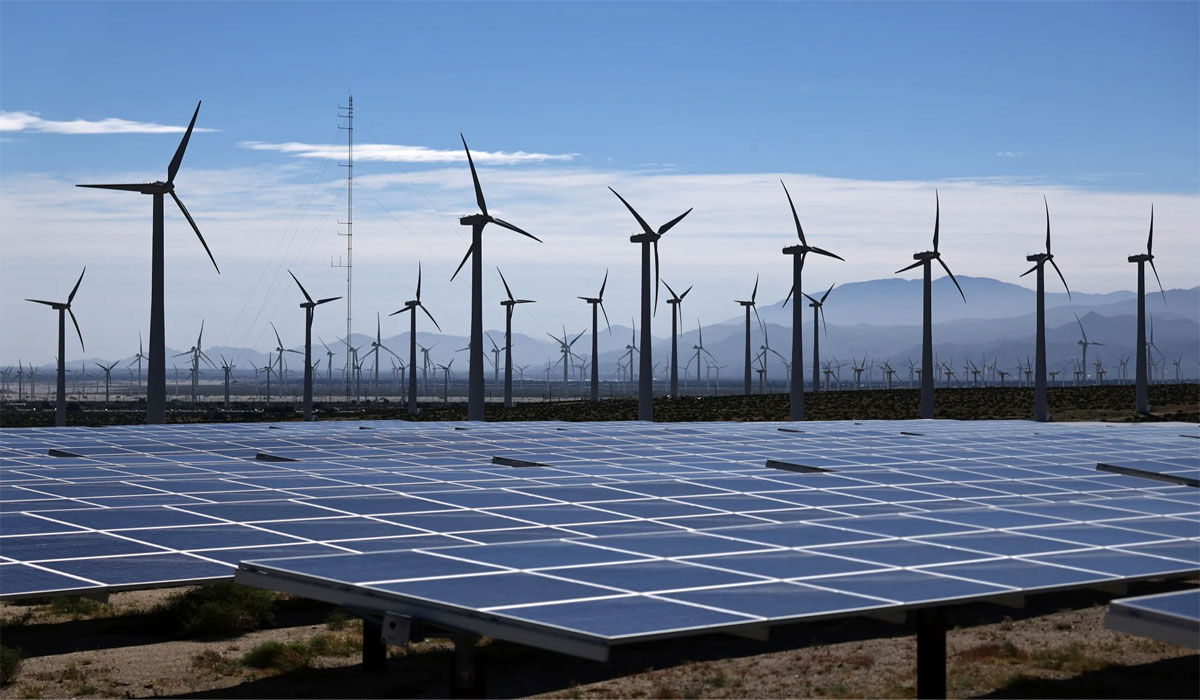
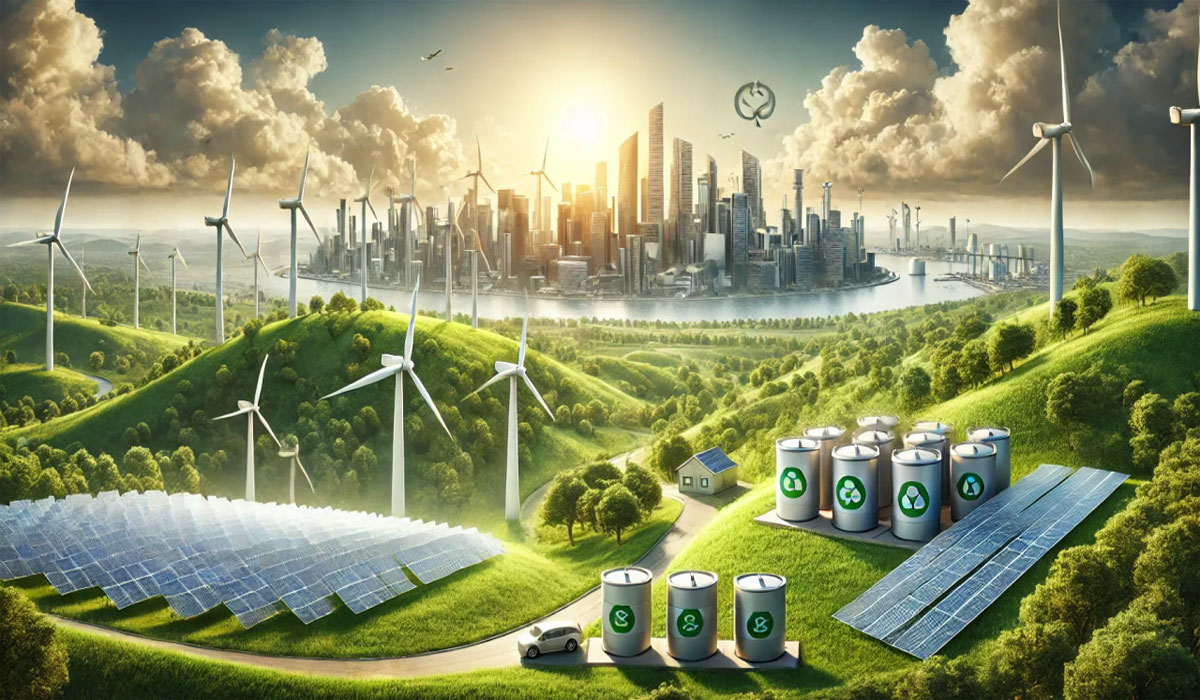
In 2026, renewable energy is no longer viewed as an alternative option it is becoming the backbone of power generation in many countries. Advances in technology, falling costs, and urgent climate goals are accelerating the shift toward cleaner, more sustainable energy sources. Watch and keep following the latest and most viral information only on Seeds of a Living Planet.
The Rapid Rise of Solar and Wind Power
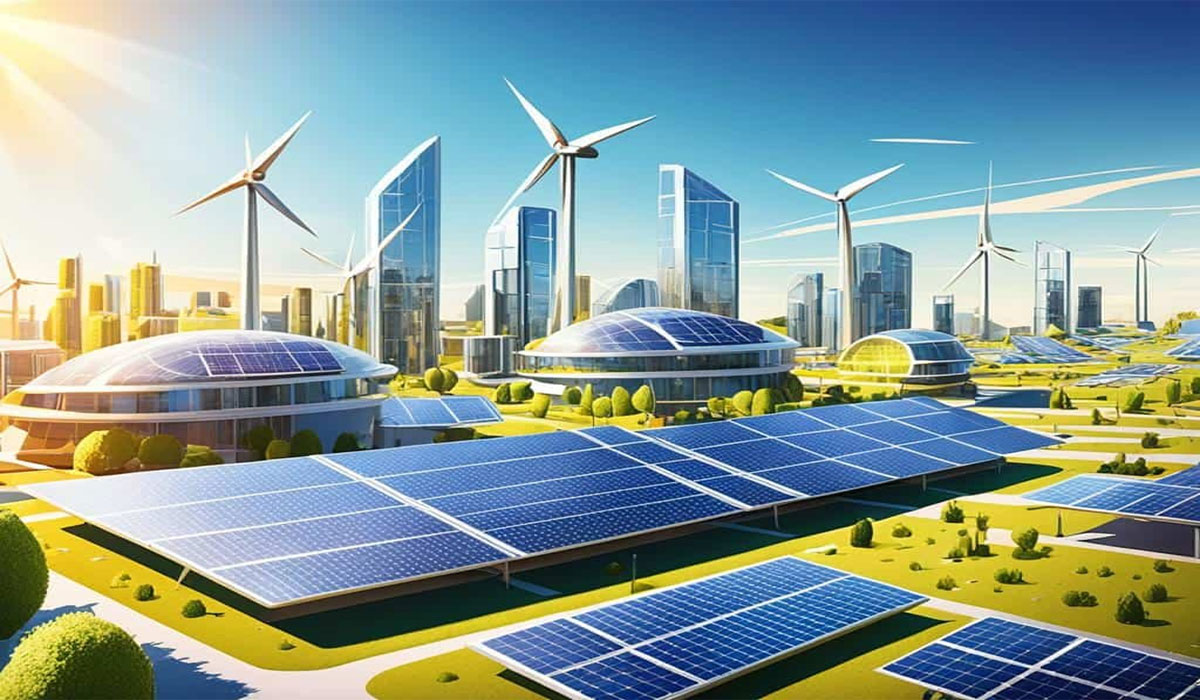
Solar and wind energy have become dominant forces in the renewable sector. The cost of solar panels has dropped significantly over the past decade, making rooftop and large-scale solar farms more accessible than ever. In many regions, solar power is now one of the cheapest sources of electricity available.
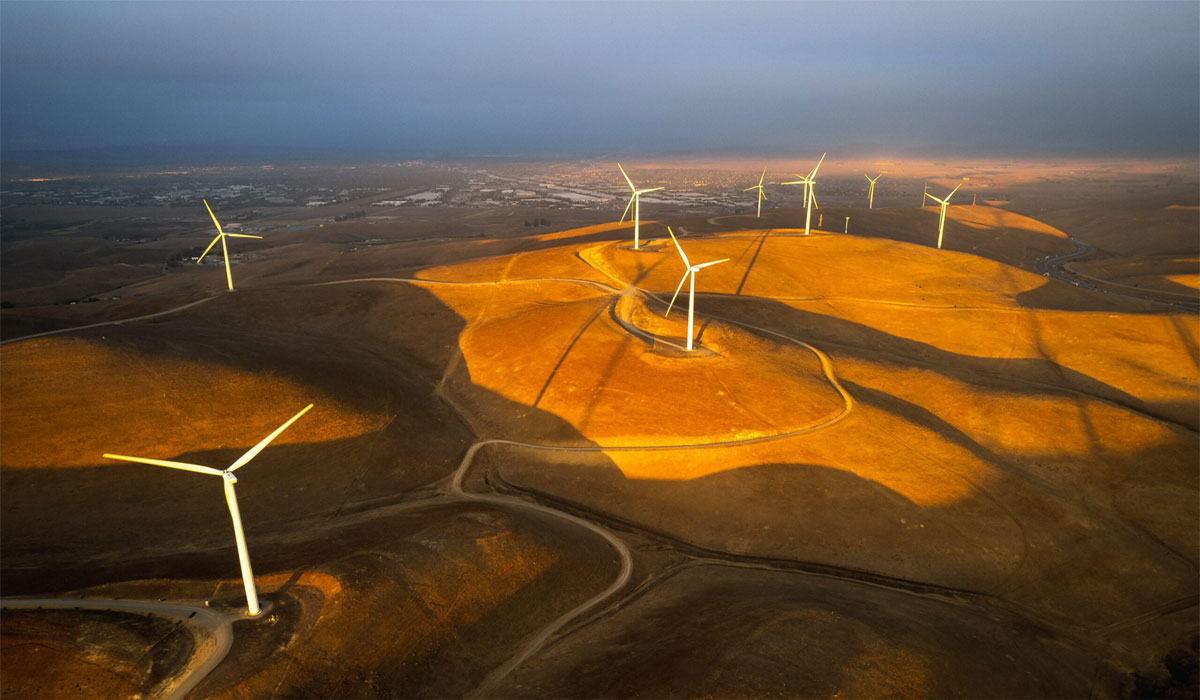
Wind energy is also expanding rapidly, particularly through offshore wind farms. Taller turbines and improved blade designs allow for greater efficiency and energy capture. Coastal nations are investing heavily in offshore installations that generate substantial power without occupying valuable land space.
These technologies are supported by smart grids that distribute electricity more efficiently. Advanced forecasting systems predict weather patterns to optimize solar and wind output, ensuring a more reliable supply despite their natural variability.
Energy Storage and Grid Innovation
One of the biggest challenges for renewable energy has been storage. In 2026, battery technology has made remarkable progress, enabling excess energy produced during sunny or windy periods to be stored for later use. Large-scale battery farms now stabilize power grids and prevent outages.
Innovations in grid infrastructure are equally important. Smart grids use digital communication systems to balance supply and demand in real time. They can reroute electricity during peak usage hours and detect faults quickly, improving overall resilience.
Emerging technologies such as green hydrogen are also gaining attention. Surplus renewable energy can be used to produce hydrogen fuel, which serves as a clean energy carrier for industries and transportation sectors that are harder to electrify.
Also Read: Is This The End? UN Declares Extreme Drought A Sign Of Looming Crisis!
Economic Growth and Job Creation
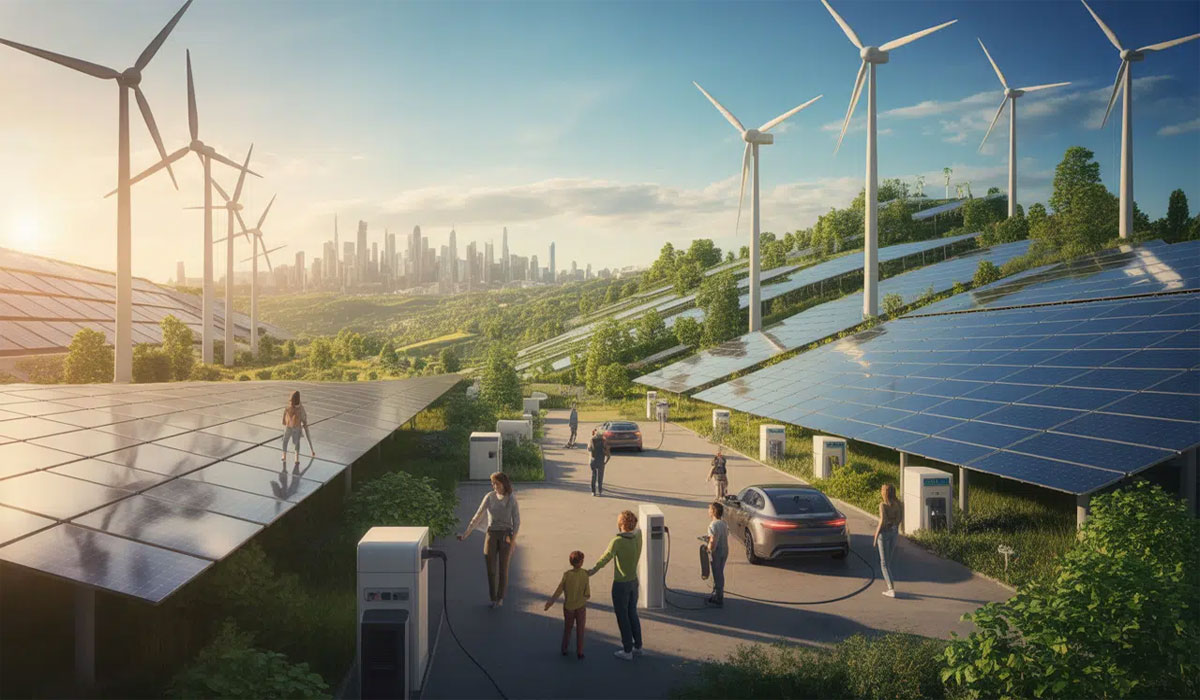
Renewable energy is not only transforming the environment but also reshaping economies. The industry is generating millions of jobs worldwide, from manufacturing solar panels to installing wind turbines and maintaining battery systems. These new opportunities contribute to economic resilience and workforce development.
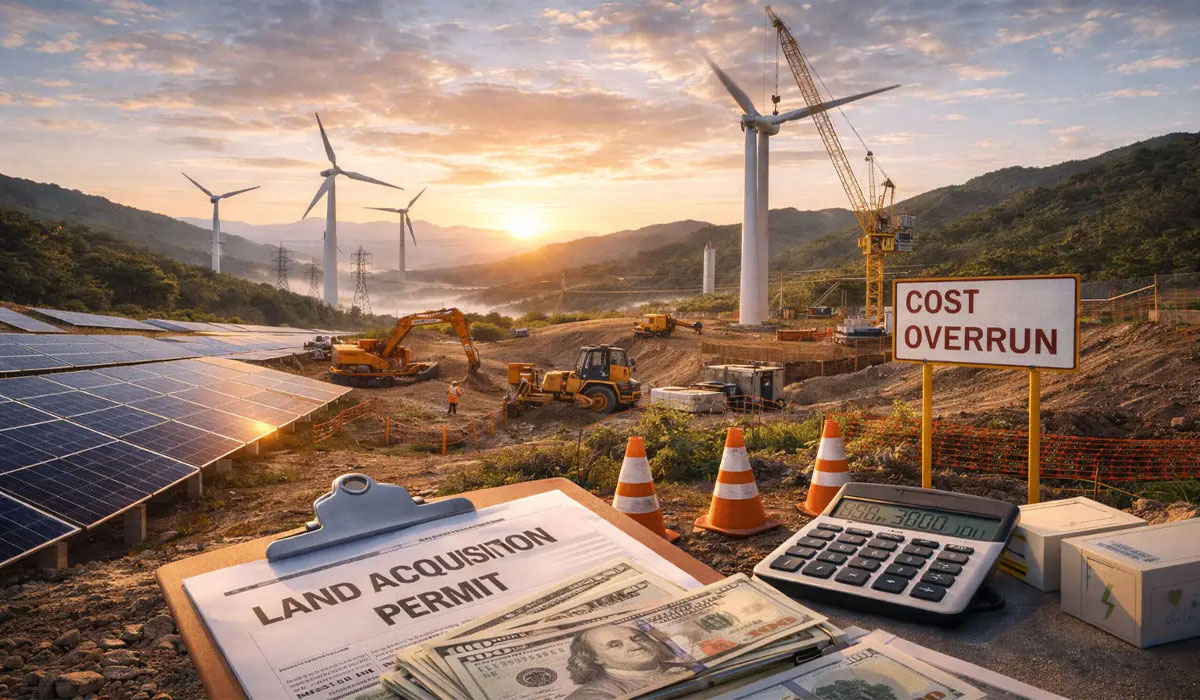
Governments and private investors are channeling substantial funding into renewable projects. Infrastructure investments in clean energy stimulate local economies and attract innovation hubs. Countries that lead in renewable adoption often become exporters of technology and expertise.
Small businesses and homeowners are also benefiting. Incentives for installing rooftop solar systems reduce electricity bills and allow individuals to sell excess energy back to the grid. This decentralized model empowers communities to participate directly in the energy transition.
Environmental and Social Impact
The environmental benefits of renewable energy are profound. Reducing reliance on fossil fuels decreases greenhouse gas emissions and mitigates air pollution. Cleaner air leads to improved public health outcomes, especially in urban areas previously affected by industrial emissions.
Renewable projects are also being designed with sustainability in mind. Modern wind and solar installations prioritize minimal ecological disruption and incorporate recycling programs for materials. Research continues to improve the lifecycle sustainability of renewable technologies.
Socially, the energy transition promotes greater equity. Off-grid solar systems bring electricity to remote communities that previously lacked reliable access. Access to clean power enables better healthcare, education, and economic opportunities, narrowing the gap between urban and rural areas.
Conclusion
In 2026, renewable energy stands at the forefront of a global transformation. The rapid expansion of solar and wind power, breakthroughs in energy storage, economic opportunities, and meaningful environmental benefits demonstrate that clean energy is more than a trend it is a lasting shift in how the world generates and consumes power.
As technology continues to advance and adoption spreads, renewable energy is shaping a future that is cleaner, more resilient, and economically vibrant. The transformation is not only technological but societal, redefining progress for generations to come.
Image Source:
- First Image from kompas.com
- Second Image from indonesiana.id