The Power of Tomorrow: How Renewable Energy Could Save Our Planet
What if the energy powering our homes, industries, and cities could also protect the planet.
As climate change threatens ecosystems and communities worldwide, Seeds of a Living Planet renewable energy is emerging as one of the most promising solutions for building a cleaner and more sustainable future.
Harnessing Nature’s Unlimited Power
Renewable energy comes from naturally replenished sources such as sunlight, wind, flowing water, geothermal heat, and biomass. Unlike fossil fuels, these resources can provide energy without depending on finite underground reserves.
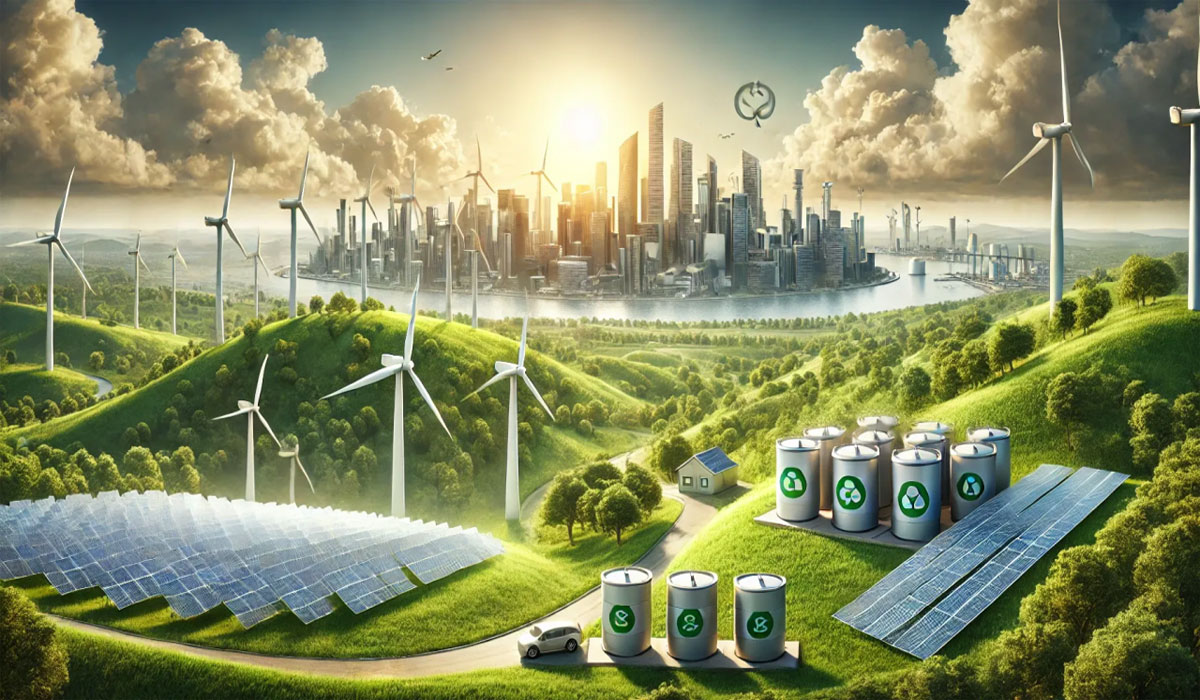
Solar panels transform sunlight into electricity, while wind turbines capture the movement of air to generate power. Hydroelectric facilities also use flowing water to produce electricity, demonstrating how nature can support modern technological progress.
With continuous innovation, renewable energy is becoming increasingly accessible. These technologies offer humanity an opportunity to meet growing energy demands while reducing environmental damage.
Fighting Climate Change and Protecting Nature
One of renewable energy’s greatest benefits is its ability to reduce greenhouse gas emissions. Solar and wind power produce electricity without directly releasing carbon dioxide during operation, helping limit the pollution responsible for global warming.
Transitioning away from fossil fuels can also improve air quality and reduce harmful pollutants associated with respiratory and cardiovascular diseases. Cleaner energy therefore benefits both the environment and public health.
Although renewable energy technologies still require materials, land, and resources, their overall greenhouse gas emissions are generally significantly lower than those of fossil fuel alternatives.
Read Also: The Energy Revolution: Why Renewable Energy Is Changing Our Future
Creating Opportunities for a Greener Economy
Renewable energy is not just an environmental solution but also an engine of economic development. Its expanding industries create employment opportunities in engineering, manufacturing, construction, installation, and maintenance.
Furthermore, investing in renewable technologies can strengthen energy independence. Countries can reduce their reliance on imported fossil fuels by developing domestic solar, wind, and geothermal resources.
Advancements in battery storage and electricity networks are also improving the reliability of renewable power, making sustainable energy systems increasingly practical.
Overcoming Challenges and Shaping Tomorrow
Despite its enormous potential, renewable energy faces challenges. Solar and wind production fluctuate with weather conditions, while energy storage, infrastructure, and initial investment remain important concerns.
Addressing these obstacles requires collaboration among governments, businesses, researchers, and ordinary citizens. Supportive policies and technological breakthroughs can accelerate the transition toward cleaner energy.
Individuals can contribute by conserving electricity, adopting energy-efficient appliances, and supporting sustainable initiatives. Small actions, when combined, can create meaningful environmental progress.
Final Summary
Renewable energy represents a powerful opportunity to combat climate change, protect natural ecosystems, and build stronger economies. Although challenges remain, investing in clean technologies today can create a healthier, safer, and more sustainable planet for future generations. The power to transform tomorrow begins with the choices we make today.